
3DPrintings

3D Printing Service in Canberra

The demand for 3D printing in Canberra is rising, driving innovative CAD-based solutions and improving model accuracy and efficiency. These advancements promise even better future solutions.


Trusted partnerships, unrivaled results CAD Deziner’s track record

Access Comprehensive 3D Printing Canberra

We utilise various materials and modern technologies to deliver high-quality prints at competitive prices. Our state-of-the-art results ensure satisfaction, and our wide range of options makes ordering 3D printing jobs easy.

3d Printed Trophies in Canberra

We have an expert team that caters to our clients…

Exhibition Models in Canberra

Exhibition Display models play a crucial role in…

FDM 3d Printing in Canberra

FDM stands for Fused Deposition Modeling. It is a…

SLA Printing in Canberra

Stereolithography (SLA) is a 3D printing technique…

CNC Machining in Canberra

We provide prototype and small volume…

SLS 3d Printing in Canberra

SLS is very good for producing prototypes which…

Vacuum Casting in Canberra

CAD Deziners deals in vacuum casting…

Metal Printing in Canberra

Direct metal 3d printing produces high-quality…

Polyjet Printing in Canberra

In this Polyjet 3d printing technology, layers of…

Carbon Fiber in Canberra

Metals and materials have been the base…

Polymer Printing in Canberra

We have deployed the machinery that pertains…

Chrome Plating in Canberra

Direct metal 3d printing produces high-quality…

Chocolate Moulding in Canberra

Chocolate mould is made from the FDA approved plastic material…

Architectural Model in Canberra

We are the best 3D printing platform that provides excellent solutions…

Injection Moulding in Canberra

We are specialized in providing you the best plastic injection...

SLA Printing

Stereolithography (SLA) is a 3D printing technique…

SLS 3d Printing

SLS is very good for producing prototypes which…

FDM 3d Printing

FDM stands for Fused Deposition Modeling. It is a…

Metal Printing

Direct metal 3d printing produces high-quality…

Polyjet Printing

In this Polyjet 3d printing technology, layers of…

3d Printed Trophies

We have an expert team that caters to our clients…

Exhibition Models

Exhibition Display models play a crucial role in…

Architectural Model

We are the best 3D printing platform that provides excellent solutions…

Carbon Fiber

Metals and materials have been the base…

Chrome Plating

Direct metal 3d printing produces high-quality…

CNC Machining

We provide prototype and small volume…

Vacuum Casting

CAD Deziners deals in vacuum casting…

Carbon Fiber

Metals and materials have been the base…

Injection Moulding

We are specialized in providing you the best plastic injection...

Polymer Printing

We have deployed the machinery that pertains…

Over Moulding

With the development of Over Moulding 3D printing, taking prototyping...

Powder Bed Fusion

Powder Bed Fusion 3D printing is steadily emerging as an invaluable tool...

Binder Jetting

Binder Jetting 3D Printing is a remarkable innovation that has revolutionized...

Why choose CAD Deziners For Canberra 3D Printing?

We stand out among 3D printing companies for the unwavering commitment to client satisfaction and affordability. If you have a design in mind and are unsure of how to proceed, we are here to help.

Qualified Team

Together with a youthful and highly qualified management and operational staff, our extensive experience in the computer-aided design.

Technologically Aware

Our company's technological experts also enable us to keep up with the rapidly changing and developing industrial.

Strive For Quality

We believe in high accuracy and integrity. We firmly deem that good work ethics are the only way to produce data.

Well Reputed

The trust and mandate that numerous state and federal organization agencies, all major automotive service providers.

Industries We Serve

Our 3D printing service in Adelaide caters to a wide range of industries:

Automotive Industry

We enable rapid prototyping and the creation of custom automotive parts, helping manufacturers streamline production and reduce costs.

Aerospace

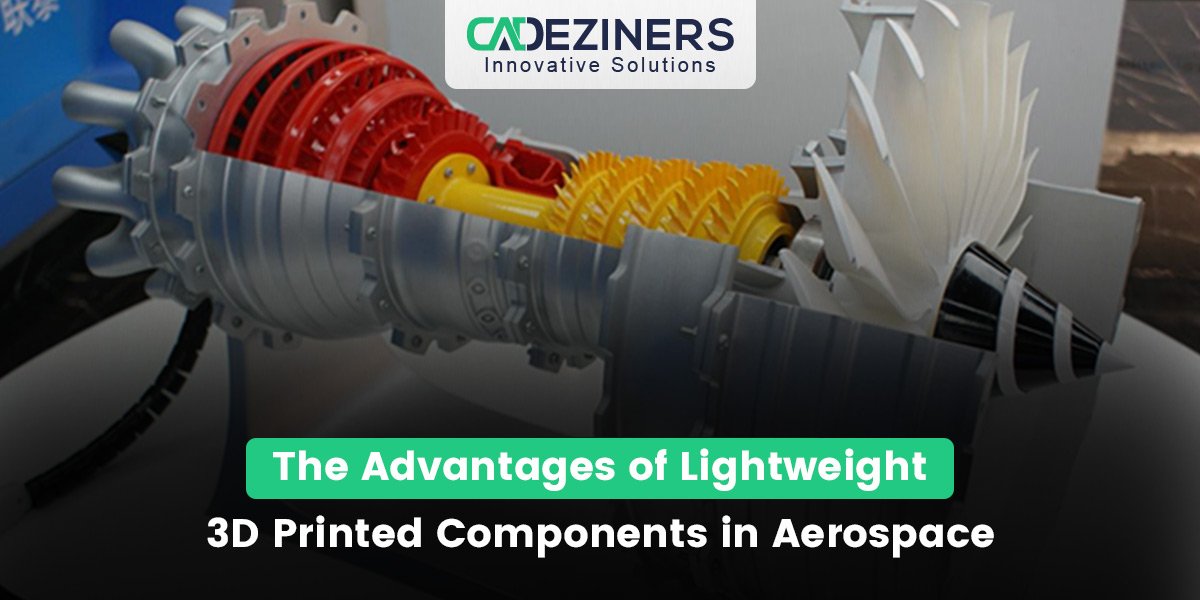
Our high-precision 3D print service in Canberra contributes to aerospace advancements by producing lightweight and strong aircraft components.

Architecture Industry

Bringing designs to life with detailed architectural models, allowing for accurate visual representation and project refinement.

Bio & Healthcare

We assist in creating custom prosthetics, medical devices, and research tools, enhancing innovation in the medical field.

Education

Providing schools and universities with interactive learning aids that foster creativity and technical understanding.

Entertainment

We help the entertainment sector produce custom props, costumes, and set pieces, enabling unique and artistic creations.

Electronics

Precision 3D-printed parts for the electronics industry, supporting the development of new gadgets and innovations.

Defence

3D printing, also known as additive manufacturing, is increasingly being integrated into the defense industry.

Ship maintenance

3D printing Canberra is making a significant impact in the ship maintenance industry by enhancing efficiency, reducing downtime.

Why Cad Deziners
Is Right For You

We stand out among 3D printing companies for the unwavering commitment to client satisfaction and affordability. If you have a design in mind and are unsure of how to proceed, we are here to help. Our customer-centric approach helps us proactively address potential issues and flaws. With a track record of delivering successful projects for global clients, our team of engineers, designers, drafters, and expert consultants can tackle virtually any project. Our dedication to affordability ensures that high-quality designs are accessible to every client.

Satisfied Clients
0 +
Designs Delivered
0 +
Expert Designer
0 +
Year of Experience
0 +

Why Hire CAD Deziners For
3d Printing in Canberra?

We offer a wide range of services to fulfill the needs of businesses operating in Melbourne. Have a look at some of the main services that businesses can avail of.

Upload CAD file

Securely upload your part design to our online quote builder.

Confirm specs

Configure your part specifications and select a lead time that suits your schedule.

Receive instant quote

Upload your CAD to our online quoting platform

Manufacturing

We select the best manufacturer for your order, and production begins immediately.

Quality control

We take full responsibility for making sure your parts are manufactured according to our standards

Delivery

Our Projects

It serves as a visual and tangible representation of completed projects, achievements, and contributions, allowing potential clients, employers, or collaborators to assess capabilities and experience.

Why Choose Us for
3D Printing in Canberra?

Affordable and Reliable

Experience the best 3D printing services in Adelaide at competitive rates. With state-of-the-art equipment and technology, we guarantee high-quality outputs tailored to your needs.

Premium Quality Assurance

Count on excellence. Our expert team and cutting-edge machines meticulously oversee every step of your project’s 3D printing journey, delivering superior results.

Clear and Honest Pricing

Get a complimentary quote for your project with no hidden charges. We believe in transparent pricing, ensuring you get the best value for your specific requirements.

Materials

3D printing offers a wide range of materials, each with unique properties suited for different applications. Here’s an overview of some common 3D printing materials:

PLA(FDM)
PLA(FDM)

Properties:
Tensile Strength- 70 Mpa
Temperature- 82 °C to 96 °C
Application: Used for rapid prototyping.

ABS-M30i
ABS-M30i

Properties:
Tensile Strength- 31 Mpa
Temperature- 82 °C to 96 °C
Application:Medical, pharmaceutical & food handling equipment

ASA(UV protected)
ASA(UV protected)

Properties:
Tensile Strength- 31.9 Mpa
Temperature- 97.9 °C to 102.2 °C
Application: Automotive parts, sporting goods, outdoor functional prototyping & commercial use, like electrical housings.

PETG
PETG

Properties:
Tensile Strength- 53 Mpa
Temperature- 97.9 °C to 102.2 °C
Application: Packaging (both retail and medical), advertising displays and electronic insulators.

NYLON 12
NYLON 12

Properties:
Tensile Strength- 34.7 Mpa
Temperature- 84.3 °C to 94.7 °C
Application: Used for tooling, jigs and fixtures to covers, panels and vibration resistant components.

PC
PC

Properties:
Tensile Strength- 66 Mpa
Temperature- 210-250 °C
Application: For tough applications like functional prototyping, tooling & production.

PC-ISO
PC-ISO

Properties:
Tensile Strength- 57 Mpa
Temperature- 127 °C to 133 °C
Application: Food & drug packaging and medical device manufacturing .

PC-ABS
PC-ABS

Properties:
Tensile Strength- 34.7 Mpa
Temperature- 102.9 °C to 125 °C
Application: Automotive like Glove boxes. Overhead and middle consoles and Electronics industries.

NYLON 6

Properties:
Tensile Strength- 49.3 Mpa
Temperature- 93 °C
Application: Used in automotive, aerospace, consumer goods & industrial manufacturing.

NYLON 12CF
NYLON 12CF

Properties:
Tensile Strength- 63 Mpa
Temperature- 143 °C
Application: Used for heavy components in need of stiff and light-weight materials.

MED-610
MED-610

Properties:
Tensile Strength- 50 – 65 Mpa
Temperature- 45 – 50 °C
Application: Used for surgical guides like dental implant or orthopedic procedures.

ULTEM 9085
ULTEM 9085

Properties:
Tensile Strength- 68.1 Mpa
Temperature- 172.9 – 176.9 °C
Application: Used for Aerospace parts ECS ducting and metal forming tools.

ULTEM 9085
ULTEM 9085 CG

Properties:
Tensile Strength- 68.1 Mpa
Temperature- 172.9 – 176.9 °C
Application: Used for aircraft interior replacement parts, ECS ducting and metal forming tools..

ULTEM 1010(FDM)
ULTEM 1010(FDM)

Properties:
Tensile Strength- 50 – 60 Mpa
Temperature- 212.2 – 214.1 °C
Application: Used for aerospace part, composite tooling, medical applications and food contact applications.

ST-130
ST-130

Properties:
Tensile Strength- 430 Mpa
Melting point- 1480 – 1526 °C
Application: Used as a construction element

TPU 92A
TPU 92A

Properties:
Tensile Strength- 16.8 Mpa
Temperature- 38 – 56 °C
Application: Used for flexible hoses, tubes, air ducts, seals, protective covers and vibration dampeners.

PEEK
PEEK

Properties:
Tensile Strength- 90 – 100 MPa
Temperature- 170 °C
Application: It is a suitable metal alloy replacement in numerous structural applications and used in aerospace, automotive, oil and gas, fiber optics, alternative energy, to medical.

Accura ABS White (SL 7820)

Properties:
Tensile Strength- 46 – 48 Mpa
Temperature- 51 °C
Application: Used for prototyping, manufacturing, anatomical models and more.

Accura ABS Black (SL 7820)

Properties:
Tensile Strength- 45 – 47 Mpa
Temperature- 51 °C
Application: Used for prototyping, manufacturing, anatomical models and more.

Flexible 80A
Flexible 80A

Properties:
Tensile Strength- 8.9 Mpa
Temperature- 38 – 56 °C
Application: Used for shock absorption, handles, grips, overmolds, cartilage, ligament anatomy, seals, gaskets and masks.

Acuura25

Properties:
Tensile Strength- 38 Mpa
Temperature- 51 – 63 °C
Application: Used for functional prototyping or end-use parts and good for short production run.

Transparent resin
Transparent resin

Properties:
Tensile Strength- 45 – 65 Mpa
Temperature- 38 – 56 °C
Application: Used for the production of river tables, glass clear embeddings and coatings as well as for applications in decoration and art

SLA tough resin
SLA tough resin

Properties:
Temperature max upto 80 C
Application: Used for sturdy, shatter-resistant parts like enclosures or seat belt, clasps and high-performance 3D prototypes.

Temperature resin plastic

Properties:
Tensile Strength- 50 – 60 Mpa
Temperature- 200 – 300 °C
Application: Used for manufacturing heat resistant fixtures, mold prototypes, hot air and fluid flow equipment, and casting and thermoforming tooling.

PMMA
PMMA

Properties:
ensile Strength- 64.8 – 83.4 MPa
Temperature- 40 °C to 120 °C
Application: Automotive parts, sporting goods, outdoor functional prototyping & commercial use, like electrical housings.

Nylon PA2200 (White)

Properties:
Tensile Strength- 48 Mpa
Temperature- 172 – 180 °C
Application: Used for fully functional parts, snap-fit assemblies and moving parts, complex and intricate geometries, automotive, medical, packaging industries.

Nylon PA11/12
Nylon PA11/12

Properties:
Tensile Strength- 48 Mpa
Temperature- 46 – 180 °C
Application: Used for functional prototypes and series parts such as hinges. and also used for automotive interior components for crash relevant parts.

Flexible TPU 86A
Flexible TPU 86A

Properties:
Tensile Strength- 7 Mpa
Temperature- 138 °C
Application: Used for caster wheels, automotive instrument panels, sporting goods, power tools, medical devices, footwear, drive belts, inflatable rafts.

Glass-filled nylon 3200

Properties:
Tensile Strength- 51 Mpa
Melting point- 176 °C
Application: Used for products which requires good strength and stiffness.

Nylon PA12 Glassfilled

Properties:
Tensile Strength- 12 – 140 Mpa
Melting point- 90 – 182 °C
Application: Used for functional prototypes as well as end-use parts for demanding applications such as aerospace and automotive.

Alumide
Alumide

Properties:
Tensile Strength- 42 – 48 Mpa
Melting point- 172 – 180 °C
Application: Used to manufacture complex shapes, stiff parts, automotive parts and for the parts which require a metallic appearance.

Multi Jet Fusion PA12

Properties:
Tensile Strength- 48 Mpa
Temperature- 95 -175 °C
Application: Used for mechanical purposes such as prototypes or finished products like geared systems..

HP Premium Nylon PA12

Properties:
Tensile Strength- 48 Mpa
Temperature- 95 -178 °C
Application: Used for temperature resistance dies, patterns and fixtures for food production, surgical guides, aerospace components, housing components.

Aluminum 2024-T81
Aluminum 2024-T81

Properties: Tensile Strength- 450-485 Mpa Melting point -502- 638 °C

Application: Used for Aircraft fittings, gears and shafts, bolts, clock parts, computer parts, couplings, fuse parts.

Aluminum 6160

Properties: Tensile Strength- 124 – 290 Mpa Melting point -502- 585 °C

Application: Used for Welded assemblies, Marine frames, Aircraft and truck frames, Chemical equipment, Electronic parts, Furniture, Fasteners.

Aluminum 2024-T851
Aluminum 2024-T851

Application: Used for Aircraft fittings, gears and shafts, bolts, clock parts, hydraulic valve bodies and also used for automobile parts.

Stainless steel 316

Properties: Tensile Strength- 580 Mpa Melting point – 1400°C

Application: Used for Aircraft fittings, gears and shafts, bolts, clock parts, hydraulic valve bodies and also used for automobile parts.

Stainless steel D6AC

Properties: Tensile Strength- 1572 -1931Mpa Melting point – 1426°C

Application: Used for horizontal Tail Support Bulkhead, Main gear support bulkhead, Main & Nose landing gear.These materials improve tensile strength and has light weight.

Stainless steel 300M

Properties: Tensile Strength- 1930 Mpa Temperature – 850 – 1050°C

Application: Used for aircraft landing gear, high strength bolts, flap tracks, structural applications and airframe parts.

Titanium Ti-6Al-4V

Properties: Tensile Strength- 1100 – 1170 Mpa Temperature – 600°C

Application: Used for making structural components of aircraft, hydraulic systems, engine components, helicopter, rotor blades, rockets and spacecraft.

Titanium Ti-6Al-6V 2Sn

Properties: Tensile Strength- 1210 – 1280 Mpa Temperature – 1627°C

Application: Used in plate and forging applications for rocket cases, airframe sections, and ordnance parts.

Titanium 3Al-2.5V
Titanium 3Al-2.5V

Properties: Tensile Strength- 500 Mpa Melting Point – 1700°C

Application: Used in tubular form and has useful properties for applications in hydraulic systems due to it’s strength.

Brass
Brass

Properties: Tensile Strength- 338 – 469 Mpa Melting Point – 900 – 940°C

Application: Used in locks, hinges, gears, bearings, ammunition casings, zippers, plumbing, hose couplings, valves, and electrical plugs and sockets.

Copper
Copper

Properties: Tensile Strength- 33.3 – 210 Mpa Melting Point – 1085 °C

Application: Used to produce heat pipes, mold inserts, electrodes and aviation and military devices.

Bronze
Bronze

Properties: Tensile Strength- 125 – 240 Mpa Melting Point – 950 °C

Application: Used for jewelry creation, such as rings, pendants, bracelets and also used in Marine applications due to its excellent corrosion resistance in sea water applications and medium strength levels.

Digital ABS Plus
Digital ABS Plus

Properties: Tensile Strength- 55 – 60 Mpa Temperature- 58 – 68 °C

Application: Used for Functional Prototyping, Snap-fit parts for high or low temperature use, Electrical parts, casings, mobile phone casings, engine parts and covers.

Sandstone
Sandstone

Properties: Tensile Strength- 6.4 Mpa Temperature- 60 °C

Application: Used for making architectural models, full-color figures, Souvenirs, and building three-dimensional models for casting.

Tango
Tango

Properties: Tensile Strength- 0.8-1.5Mpa Shore Hardness- 26-28 Scale A

Application: Used for handles, gaskets or footwear in a range of Shore A values comparable to rubber bands, tire treads and shoe heels.

Vero pure white
Vero pure white

Properties: Tensile Strength- 50 – 60 Mpa Temperature- 45 – 50 °C

Application: Used for light functional testing, patterns, prototypes, UV protected parts, and models.

Vero Black Plus
Vero Black Plus

Properties: Tensile Strength- 50 – 60 Mpa Temperature- 45 – 50 °C

Application: Used for UV Resistance products, electrical housing and Medical Devices.

Vero Ultra
Vero Ultra

Properties: Tensile Strength- 60-70 Mpa Temperature- 45 – 54 °C

Application: Used for making Consumer Electronics , Automotive, Consumer goods, packaging, Toys & Figurines.

High Temperature
High Temperature

Properties: Tensile Strength- 6.4 Mpa Temperature- 63-67 °C

Application: Used for static parts or thermal testing parts that require high heat resistance such as plumbing fixtures and household appliances.

Vero Clear(Transperent)
Vero Clear(Transparent)

Properties: Tensile Strength- 70-80 Mpa Temperature- 45 – 50 °C

Application: Form and fit testing of clear or see-through parts, medical applications, artistic and exhibition modeling.

PP Grade
PP Grade

Properties: Tensile Strength- 19-45 Mpa Melting Temperature- 130-171 °C

Application: Used for making packaging, textiles, healthcare, pipes, automotive and electrical applications.

Agilus30(Flexible and Tear Resistant)

Properties: Tensile Strength- 2.4 – 3.1 Mpa

Application: Used for medical Models, tooling needing rubber-like characteristics, consumer Goods, sporting goods, general prototyping, overmolding.

MED610 (Medical grade)

Properties: Tensile Strength- 50 – 65 Mpa Temperature- 45 – 50 °C

Application: Used for dental Surgical Guides, prototyping for medical and dental products.

Polyamide (PA)

Properties: Tensile Strength- 80 Mpa Melting Temperature- 320-345°C
Application: Used in various industries like transportation, electronics & electrical, consumer goods, building & construction and packaging.

PC

Properties: Tensile Strength- 66 Mpa Melting Temperature- 265°C

Application: Used for plastic lenses in eyewear, medical devices, automotive components, protective gear, greenhouses, Digital Disks and exterior lighting fixtures.

POM

Properties: Tensile Strength- 60 Mpa Temperature- 190 – 210°C

Application: Used for small gear wheels, eyeglass frames, ball bearings, ski bindings, fasteners, gun parts, knife handles, and lock systems.

Nylon Carbon fiber glass

Properties: Tensile Strength- 95 Mpa Melting Temperature- 180°C

Application: Used for requiring high stiffness and low abrasive wear, Bearings, bushings, gears, Rollers, Industrial clamp, Machine parts, Complex and intricate geometries.

PTFE
PTFE

Properties: Tensile Strength- 41.4 Mpa Temperature- 260°C

Application: Used for seals PTFE gaskets, valves, wire insulation, insulated transformers, bearings, surface coatings, chemical processing equipment, chemical transport and PTFE rubber diaphragms.

Case studies

Our case studies offers valuable information on financial management, industry trends, and how to make the most of our platform.

Case Study 4: 3D Printing of Casing Enclosure

Case Study 4:…

Case Study 4: 3D…

3D Printing of Custom Trophy – “Toilet Trophy”

3D Printing of…

3D Printing of Custom…

Case Study 5: 3D Printed Flower Boot Model

Case Study 5:…

Case Study 5: 3D…

Stay Informed with the
Latest Blogs

Our blog offers valuable information on financial management, industry trends, and how to make the most of our platform.

Everything You Need to Know About Nylon

Everything You Need…

Everything You Need to Know About Nylon Nylon has long…

Rapid Repair and Replacement: 3D Printing for Power Plant Maintenance

Rapid Repair and…

Rapid Repair and Replacement: 3D Printing for Power Plant Maintenance…

Lightweight, Corrosion-Resistant Components: 3D Printing’s Role in Sustainable Ship Design

Lightweight, Corrosion-Resistant Components:…

Lightweight, Corrosion-Resistant Components: 3D Printing’s Role in Sustainable Ship Design…

Hear What Our Customers
Have to Say

These short quotes help potential clients understand the value and quality of your work from the perspective of those who have already worked with you.

    Get Free Quote

    Everything you need to grow your business.
    Order our 3d Printing Service today!

    We currently support .3mf, .iges (.igs), .obj, .step (.stp), .stl, .wrl, .zip, .img and .pdf (with models and textures) files up to 25mb. If you have multiple files please send us on info@caddeziners.com.au or you can upload zip file here.

    FAQ

    3D printing, or additive manufacturing, uses modern printing and production technology to build three-dimensional objects based on digital design files, typically in STL files. This process operates layer by layer, with each layer visible upon close inspection. Unlike traditional manufacturing methods, 3D printing enables the production of complex geometries without sacrificing product quality; in contrast to conventional manufacturing, which employs subtractive fabrication techniques, 3D printing offers highly customisable options for materials, colours, and surface textures.

    Some common types of 3D printing include:

    • Digital Light Processing (DLP)
    • Selective Laser Sintering (SLS)
    • Stereolithography (SLA)
    • Fused Deposition Modeling (FDM)
    • Electron Beam Melting (EMB)
    • Laminated Object Manufacturing (LOM)
    • Selective Laser Melting (SLM)
    • Material Jetting and Binder Jetting (BJ).

    3D printing technology operates in three main stages. Firstly, engineers utilise 3D CAD software to design models with professional features, creating an STL file. This file format is compatible with 3D printers.

    Secondly, the 3D printing machine begins constructing objects layer by layer, adding each layer until the entire object is formed.

    Finally, post-production finishing work is carried out after all layers are printed. This ensures the printed object achieves the desired appearance.

    Rapid prototyping is one of the methods used to quickly create a preliminary design of a product to evaluate its overall design and identify necessary improvements before final production. This process enables engineers to conduct a range of tests to assess factors such as functionality, performance, and ergonomics. Rapid prototyping is commonly utilised in the early stages of product development to test new concepts and iterate on designs efficiently.

    Rapid manufacturing differs slightly from rapid prototyping in that it involves the production of final objects using techniques such as solid free form manufacturing and direct digital manufacturing. In rapid manufacturing, the design and usage patterns of the item are considered during testing. This approach allows for the creation of functional end-use parts rather than just prototypes, facilitating the rapid production of customised or low-volume components with reduced lead times.

    Additive manufacturing, or 3D printing, is increasingly utilised across various industries for many tasks. Some of the major industries leveraging the potential of additive manufacturing include:

    • Healthcare
    • Robotics
    • Aerospace
    • Education
    • Textiles
    • Manufacturing

    The most significant advantage of 3D printing with metal is its ability to optimise costs while maintaining accuracy. Thanks to the superior build quality offered by 3D printing technology, the quality of the final product is never compromised.

    Another benefit of 3D metal printing is its ability to minimise waste. The filament material is used only where required, leaving behind minimal waste. Complex designs are never a challenge with 3D metal printing, as the technology easily creates intricate designs.

    Metal 3D printing has revolutionised the manufacturing industry. It mainly employs powder bed technologies to achieve this. In this process, powdered metals create solid metal objects after a UV ray projection. Laser lights and certain filaments may also prepare the powdered metal. Binder jetting and laser metal deposition methods are commonly used in 3D metal printing.

    Australia Wide
    Dedicated to you