
Best 3D Printing Technologies for Creating Props (FDM vs SLA vs SLS)
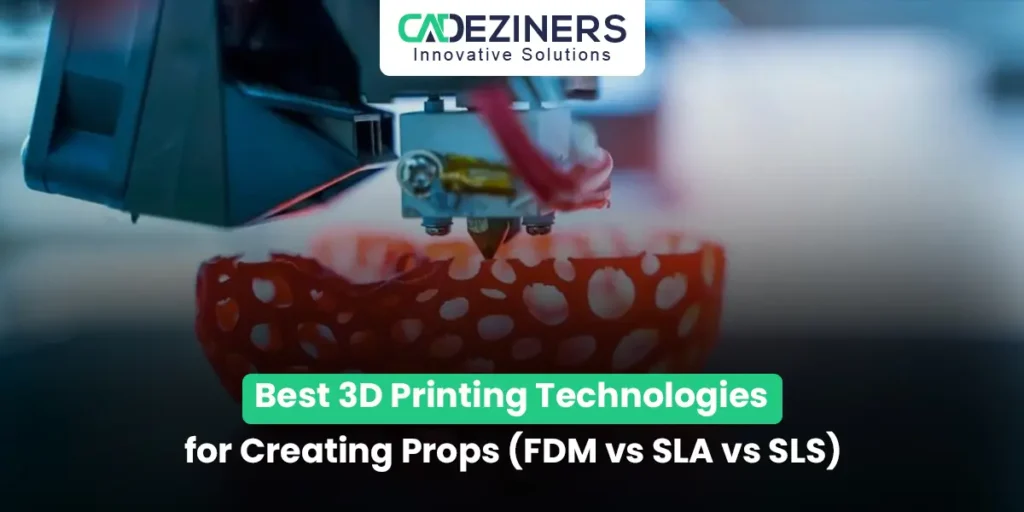
Creating props today is no longer limited to traditional fabrication methods. With the rise of 3D printing, designers and creators can now produce highly detailed, functional, and visually striking props more efficiently. The real challenge is choosing the right technology for the job.
If you are exploring modern prop-making techniques, understanding the differences between FDM, SLA, and SLS becomes essential. Each method offers unique strengths, and selecting the right one can directly impact the quality, durability, and cost of your final prop.
Understanding 3D Printing in Prop Creation
3D printing has transformed how props are conceptualised and produced. Instead of relying on manual sculpting or moulding, designers can now work with digital files that translate into physical objects layer by layer.
This shift enables faster revisions, greater precision, and the ability to produce complex shapes that would otherwise be difficult to achieve. It also creates opportunities for both professionals and beginners to experiment with new ideas at low cost.
Overview of FDM, SLA, and SLS Technologies
Before diving into comparisons, it helps to understand the fundamentals of each technology and how they operate in practical scenarios.
FDM (Fused Deposition Modelling)
FDM works by melting thermoplastic filament and depositing it layer by layer to build a structure. This process is widely accessible and often used for large props or prototypes. Its simplicity makes it a popular starting point for many creators, especially those working with tight budgets or basic designs.
SLA (Stereolithography)
SLA uses a liquid resin that is cured with a laser to form solid layers. This method is known for producing smooth surfaces and capturing fine details. It is commonly chosen for props that require a refined appearance, such as display pieces or intricate models.
SLS (Selective Laser Sintering)
SLS employs a laser to bond powdered material into solid objects. Since it does not require support structures, it allows for more complex designs. It is often used for functional props that demand strength and durability over long-term use.
Effective Techniques and Tools for 3D Printed Props
Creating high-quality props requires more than choosing a printing method. The real difference lies in how you approach the process and the tools you use along the way. By refining your workflow and applying proven prop-making techniques, you can significantly improve both the appearance and functionality of your final output.
Precision-Focused Design Techniques
A strong prop begins with a well-structured design. Clean geometry, accurate scaling, and attention to detail ensure that the printed result matches your expectations. Techniques such as splitting large models into smaller parts, optimising wall thickness, and reinforcing stress points help avoid common printing issues.
Design software plays a critical role at this stage. Proper planning reduces material waste and minimises the need for rework, ultimately saving time and cost.
Efficient Printing and Assembly Methods
Once the design is ready, the printing process should be optimised for efficiency. Orienting parts correctly, selecting suitable layer heights, and managing support structures are essential steps in achieving consistent results. For larger props, printing in sections and assembling them later is a practical approach that improves accuracy and reduces print failures.
Assembly techniques such as adhesive bonding, mechanical fastening, and internal supports help create a sturdy final structure. These methods ensure that the prop maintains its integrity during use.
Finishing and Enhancement Tools
The finishing stage is where a prop truly comes to life. Sanding, priming, and painting enhance the surface quality and give the prop a professional appearance. Using the right prop-making tools, such as precision sanders, airbrush kits, and polishing equipment, allows for greater control over the final look.
Surface treatments like coatings and sealants can also improve durability and protect the prop from environmental damage. This stage requires patience, but it has a significant impact on the overall quality.
Workflow Optimisation and Professional Support
Streamlining your workflow can make a noticeable difference in both productivity and output quality. Keeping your design, printing, and finishing processes organised helps reduce errors and ensures consistent results across multiple projects.
For those who need a professional opinion, CAD Deziners provides reliable 3D printing services in Sydney, making it easier to achieve high-quality props without managing complex production steps. Get in touch with us to learn more!
Comparison Table of FDM, SLA, and SLS
| Feature | FDM | SLA | SLS |
|---|---|---|---|
| Surface Finish | Visible layers | Smooth and detailed | Slightly textured |
| Strength | Moderate to strong | Fragile | Very strong |
| Material Variety | High | Limited | Moderate |
| Cost | Low | Medium | High |
| Production Style | Single builds | Precision builds | Batch production |
| Post-Processing | Moderate | High | Minimal |
This comparison highlights how each technology serves different needs, helping you align your choice with your project goals.
Choosing the Right Technology for Your Props
Selecting the right method depends on how your prop will be used and the level of detail required.
When to Use FDM
FDM works well for large props, structural components, and prototypes. It offers a practical balance between cost and functionality, making it suitable for early-stage designs. When comparing FDM vs SLA props, FDM stands out for durability and affordability, especially for larger builds where strength matters more than fine detail.
When to Use SLA
SLA is best suited for detailed and visually refined props. It is often used for miniatures, display items, and models that require smooth surfaces.
When to Use SLS
SLS is ideal for strong and durable props that need to withstand regular use. It is commonly chosen for functional components or complex assemblies. When evaluating SLA vs SLS props, the decision often comes down to whether visual detail or structural strength is more important for the project.
Conclusion
FDM, SLA, and SLS each bring distinct advantages to prop creation. FDM offers affordability and versatility, SLA delivers exceptional detail, and SLS provides unmatched durability. The most suitable option depends on your specific needs, including budget, design complexity, and intended use. By understanding these technologies and applying them effectively, you can elevate your prop-making projects and achieve professional-quality results with confidence.
If you wish to streamline your workflow with advanced technology, CAD Deziners offers dependable 3D printing service in Melbourne, helping turn creative ideas into reality with accuracy and efficiency!
Recent Posts
-
 Traditional Props vs 3D Printed Props: Cost, Time, and Quality Comparison07 May 2026
 -
 How Strong Are 3D Printed Props for Professional Use?07 May 2026
 -
 Choosing the Right Material for Durable Stage Props07 May 2026
 -
Best 3D Printing Technologies for Creating Props (FDM vs SLA vs SLS)07 May 2026
-
 How 3D Printing Is Transforming Custom Medical Devices19 Mar 2026