
Traditional Props vs 3D Printed Props: Cost, Time, and Quality Comparison
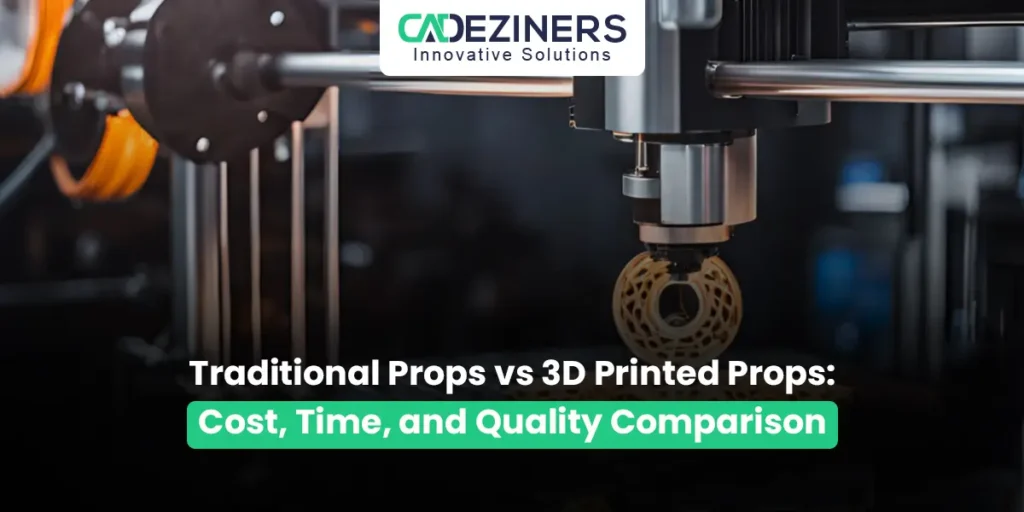
The evolution of prop manufacturing has introduced new ways to create high-quality results with improved efficiency. While traditional craftsmanship still plays an important role, modern technology has reshaped expectations across industries. When comparing 3D printed props with conventional methods, cost, time, and quality remain the most important factors.
Some projects require faster turnaround, while others focus on durability or fine detailing. This detailed prop comparison will help you understand which option best fits your needs and expectations.
Understanding Traditional and 3D Printed Props
To make an informed decision, it is essential to understand how each type of prop is created and what sets them apart. Both methods follow different production approaches, use different materials, and deliver distinct outcomes based on project requirements. Factors such as complexity, turnaround time, and level of detail often influence which method is more suitable.
What Are Traditional Props?
Traditional props are physical objects created using conventional materials such as wood, metal, foam, and resin. Skilled artisans craft them through manual processes like cutting, shaping, assembling, and finishing. This method relies heavily on craftsmanship and hands-on expertise, allowing for a high level of artistic control.
These props are often chosen for projects that demand durability and a refined finish. However, the process can be time-consuming and labour-intensive, especially when dealing with intricate designs or large-scale production requirements.
What Are 3D Printed Props?
3D printed props are produced using digital designs and additive manufacturing technology. A 3D printer builds each prop layer by layer, ensuring precision and consistency. This process allows for faster production timelines and supports easy design modifications without restarting the entire workflow.
It also allows forms and intricate details that are difficult to produce and challenging to achieve. As a result, 3D printing has become a practical and efficient solution for modern prop manufacturing.
If you need a reliable 3D printing service in Sydney to bring your props to life, CAD Deziners offers affordable solutions, helping you turn your designs into reality with precision. Get in touch with us to discuss your design!
Traditional vs 3D Printed: A Detailed Comparison of Props
| Aspect | Traditional Props | 3D Printed Props |
|---|---|---|
| Cost | High setup, material waste, and labour costs | Lower waste, reduced labour, cost-effective for small batches |
| Time | Slower design, production, and revisions | Faster design changes, quick production, rapid prototyping |
| Quality | Strong materials, refined finish, slight variations | High precision, consistent output, may need finishing |
| Best Use | Large-scale production, handcrafted results | Custom designs, small batches, tight deadlines |
Design Flexibility and Customisation
Design flexibility is an essential factor in modern prop production, especially for projects that demand precision and creativity. Traditional methods often face limitations when handling complex shapes and intricate details, as they require additional time and manual effort.
In comparison, 3D printing simplifies this process by enabling the creation of advanced geometries without significantly increasing production time or cost.
Handling Complex Designs and Geometries
Traditional prop-making can struggle with intricate structures, as detailed designs often involve multiple steps and careful manual work. This can slow down production and increase the chances of inconsistencies.
3D printing addresses these challenges by using digital models to produce complex geometries with high accuracy. This ensures consistent results while maintaining design precision across multiple units.
Efficient Customisation and Design Updates
Customisation in traditional methods requires additional time and effort, as even small changes can impact the entire workflow. In contrast, 3D printing allows designs to be modified digitally and reprinted quickly without major disruptions.
This ability to update and refine designs improves efficiency, reduces delays, and ensures that the final product meets exact project requirements.
Material Selection and Performance
Material selection has a major impact on prop durability. Traditional props rely on materials such as hardwood, metals, and industrial foam, which offer excellent strength and long-term reliability.
3D printed props use advanced materials such as PLA, ABS, resin, and nylon. These materials provide a balance between durability and flexibility. When combined with proper design techniques, they can deliver reliable performance for professional use.
Production Scalability and Workflow Efficiency
Scalability is another important factor when choosing between these methods. Traditional manufacturing is often better suited for large production runs. Once moulds are created, multiple copies can be produced efficiently, reducing the per-unit cost.
3D printing is ideal for smaller production volumes and custom projects. It eliminates the need for moulds and allows quick adjustments between prints. This makes it highly efficient for prototyping and specialised designs.
Maintenance and Replacement Considerations
Maintenance requirements vary depending on the manufacturing method. Traditional props made from durable materials tend to have a longer lifespan when properly maintained. However, repairing them can require significant effort.
3D printed props offer easier replacement options. If a part becomes damaged, it can be reprinted quickly without recreating the entire structure. This reduces downtime and supports ongoing project efficiency.
Choosing the Right Approach for Your Project
Selecting the most suitable method depends on your specific project requirements. If your focus is on handcrafted detailing and robust materials, traditional methods remain a reliable choice.
If speed, flexibility, and cost efficiency are your priorities, 3D printing provides clear advantages. Many professionals now combine both methods to achieve optimal results, using 3D printing for structure and traditional techniques for finishing.
Conclusion
Choosing between traditional and 3D printed props depends on your project requirements. Traditional methods offer durability and craftsmanship, while 3D printing provides speed, precision, and flexibility. This comparison highlights that both approaches have their strengths, and the best results come from selecting the right method for your needs.
If you are looking to make your prop production affordable with advanced technology, CAD Deziners offers the best 3D printing service in Melbourne. Submit your design today for a quote!
Recent Posts
-
Traditional Props vs 3D Printed Props: Cost, Time, and Quality Comparison07 May 2026
-
 How Strong Are 3D Printed Props for Professional Use?07 May 2026
 -
 Choosing the Right Material for Durable Stage Props07 May 2026
 -
 Best 3D Printing Technologies for Creating Props (FDM vs SLA vs SLS)07 May 2026
 -
 How 3D Printing Is Transforming Custom Medical Devices19 Mar 2026