
Why UV-Protected 3D Printed Parts Are Essential for Outdoor Use in Australia
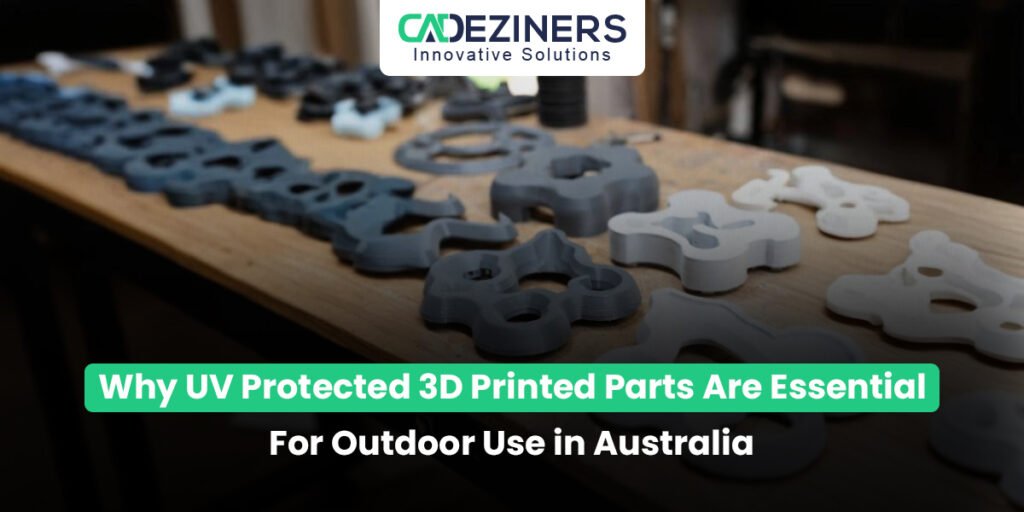
In Australia, where the sun can be intense and outdoor conditions harsh, choosing the right materials for your 3D printed parts is more than just a technical detail; it’s essential for longevity, safety, and value. If you’re printing functional components or decorative fixtures, understanding why UV-protected 3D printed parts matter will help you make better decisions and avoid premature failures.
Understanding the Australian Outdoor Environment
Australia is known for its strong sunlight, high UV levels and variable weather conditions. UV radiation, the invisible part of sunlight, is especially impactful here, and it can degrade many plastics over time. UV exposure doesn’t just affect colour, it can weaken the structure of materials, making them brittle, faded or cracked. For outdoor parts that must withstand years of sun, rain and heat, selecting the right material isn’t optional; it’s vital.
What Happens to 3D Prints in Sunlight?
Not all filaments are created equal. Standard materials like PLA or ABS may work fine indoors, but prolonged exposure to sunlight can cause them to degrade quickly. UV radiation breaks down polymer chains, causing colours to fade and mechanical strength to reduce. This means outdoor parts may fail much sooner than expected, especially in Australia’s intense sunlight.
Even if a material looks fine at first, the effects of UV can accumulate over time, affecting both performance and appearance.
What Makes UV-Resistant Materials Better?
UV-resistant materials are specially designed to withstand prolonged exposure to the sun’s ultraviolet (UV) rays while maintaining their physical integrity and visual qualities. These plastics include stabilisers and chemical structures that effectively resist UV-induced breakdown and degradation over time.
A notable example is ASA filament, which stands for Acrylonitrile Styrene Acrylate. It offers a combination of strength, durability, and UV resistance, outperforming many common alternatives like ABS, making it ideal for outdoor applications.
Key Benefits of UV-Resistant Filaments
- Long-term durability: UV-resistant filament can withstand sunlight and harsh weather without becoming brittle or fading quickly.
- Improved mechanical strength: Highly UV-stable materials like ASA maintain structural integrity under temperature fluctuations.
- Resilience to weathering: Outdoor 3D-printed parts often face moisture, heat and UV, all of which UV-resistant materials handle far better than general plastics.
Since Australia is recognised for its exceptionally high UV index compared to other regions, these properties play a vital role in maintaining long-term reliability.
Why Traditional Filaments Fall Short Outdoors
Many hobbyists start with PLA or ABS because they are easy to print and inexpensive. However, these materials struggle outdoors:
- PLA can soften when exposed to high temperatures, which may cause it to lose its dimensional stability and shape. Despite this, some experiences suggest that PLA may resist UV discolouration for a short time, but it is not designed for long-term outdoor exposure and often fails due to heat deformation and environmental ageing.
- ABS is a strong and durable material, but it is vulnerable to ultraviolet light, which can lead to deterioration, making the material brittle and causing it to yellow over time.
Without proper UV resistance, prints that spend extended periods in Australia’s sun are likely to fail much sooner, leading to wasted time, materials and effort.
Choosing the Right UV-Resistant Filament
Material science has made significant progress in developing a variety of UV-resistant materials suitable for different applications. Among these, ASA (Acrylonitrile Styrene Acrylate) is particularly notable for outdoor use due to its exceptional formulation.
It effectively withstands UV radiation, weathering, and environmental stressors much better than basic plastics, making it a preferred choice for exterior products, automotive components, and outdoor fixtures where durability and longevity are essential.
ASA is often used for:
- Outdoor housings and enclosures
- Functional parts like mounting brackets
- Signage and garden fixtures
- Automotive components
This makes it a go-to choice when durability is a priority.
Additional Options for Outdoor Use
While ASA is a popular choice, other materials can also be suitable depending on your project:
- PETG performs better outdoors than PLA and is easier to print than ASA, but it may still discolour or weaken over time and is generally less UV-stable than ASA.
- Specialised UV-resistant filaments often contain stabilisers or additives that enhance their resistance to UV light. These enhancements help extend the lifespan of printed parts exposed to sunlight or harsh environments.
Whatever material you choose, verify its UV performance and weather resistance before committing to outdoor applications.
Practical Tips for Outdoor 3D Printing
Choosing UV-resistant filament is only half the equation. For best results:
- Ensure optimal layer adhesion by properly preparing the print surface and using suitable bonding techniques to prevent moisture ingress, which can compromise print quality.
- Use appropriate print settings, such as temperature and speed, to minimise warping and deformation during printing.
- If possible, consider printing in an enclosed environment to maintain consistent conditions.
- Before starting large-scale projects, test small parts outdoors under real conditions to ensure quality and durability.
These steps help ensure your prints remain reliable even in prolonged sun, heat and weather.
Where to Get Help with Outdoor 3D Printing
If you’re looking to create high-quality outdoor parts and need professional assistance, companies offering services can help bring your designs to life. For example, if you need support for 3D printing in Melbourne, experts like us can assist with design and material selection to ensure your outdoor parts are fit for purpose.
Final Thoughts
In Australia’s challenging outdoor environment, using UV-protected 3D-printed parts made from UV-resistant materials and specially developed UV-resistant filament isn’t just a smart idea; it’s essential. Without proper UV protection, parts may deteriorate rapidly, leading to unnecessary replacements and failures. By choosing the right materials, designing thoughtfully, and seeking expert support when needed, you can create outdoor components that stand the test of time.
For production and material advice at the end of your project journey, consider professional 3D printing services in Adelaide from us. We ensure your outdoor 3D printed parts are strong, reliable and ready for Australia’s climate.
Recent Posts
-
 How the Entertainment Industry Uses 3D Printing for Faster Props, Costumes & Sets26 Feb 2026
 -
 The Environmental Impact of 3D Printing: A Practical Path to Carbon Footprint Reduction26 Feb 2026
 -
Why UV-Protected 3D Printed Parts Are Essential for Outdoor Use in Australia26 Feb 2026
-
 Why Aerospace Companies Are Adopting 3D Printing for Lightweight Components26 Feb 2026
 -
 Top 3D Printing Trends Shaping Industries in 202627 Jan 2026