Australia’s manufacturing and design scene is undergoing an incredible shift, all thanks to the rapid advancements in this technology.
What was once a specialised tool for prototyping is now a game-changer across various industries. It is revolutionising how we create complex, customised, and sustainable solutions.
In this blog, we’ll explore its future and how emerging technologies are transforming Australian industries. From cutting-edge materials to breakthroughs like multi-material and 4D printing, we’ll look at how these innovations are making waves in the healthcare, construction, fashion, and aerospace sectors.
Join us as we uncover how this is not just improving traditional practices, but also opening up exciting new opportunities for creativity and economic growth in Australia.
Key Takeaways
In this blog, explore how the future of this technology is reshaping Australian industries. Also learn:
- It is revolutionising Australian industries with faster, customisable, and eco-friendly solutions.
- Emerging materials like high-performance polymers and metal composites are expanding its possibilities.
- The technology promotes sustainability by reducing waste and enabling local manufacturing.
- Future advancements, including multi-material printing, AI integration, and 4D printing, promise even more innovation.
- This technology is bringing about new possibilities for small businesses and driving economic success and entrepreneurial spirit in Australia.
The Ongoing Evolution of this Technology
This method is more than just a trend; it is a rapidly evolving technology that continues to drive innovation across industries. By enabling faster and more effective product development, it streamlines business processes and enhances production capabilities.
As businesses refine their end-to-end workflows to integrate this, the full potential of this technology will be unlocked, transforming traditional industries and giving rise to new ones.
The Impact on the Growth of Australian Industries
This technology is rapidly reshaping various industries in Australia, driving innovation, and enhancing efficiency across multiple sectors.
From healthcare to aerospace, construction, and fashion, this cutting-edge technology is not only revolutionising traditional manufacturing processes but also opening up new possibilities for customisation, sustainability, and creativity.
As it continues to grow, its impact on Australian industries becomes increasingly profound, positioning the nation at the forefront of global advancements in technology and design.
1. Future-Focused R&D in the Defence Sector
- In Australia, research is intensifying on how this can enhance sustainability in the defence sector. Australian efforts are focused on using advanced printing techniques to minimise waste and lower energy consumption.
- There is increasing exploration into integrating this technique with AI and robotics. This combination aims to create more intelligent and automated manufacturing processes, driving efficiency and innovation in Australian defence production.
2. Promoting Sustainable Construction Practices in Australia
- The construction industry in Australia is being transformed by this printing technology, which allows companies to produce eco-friendly building materials locally, reducing waste and greenhouse gas emissions.
- This technology also enables the creation of intricate architectural designs that were previously impossible, offering new possibilities for property development and infrastructure projects while supporting environmental sustainability goals.
3. Revolutionising Australia’s Fashion and Design
- Australia’s fashion industry is embracing it to create unique, tailor-made garments that blend traditional craftsmanship with digital innovation.
- It is driving new trends in wearable technology and sustainable fashion, enhancing creativity and positioning Australia as a leader in the global fashion scene.
4. Advancing Healthcare of Australia
- The Australian healthcare sector has rapidly implemented this technology, recognising its game-changing potential for patient care and medical science.
- Custom-made prosthetics, implants, and orthotic devices are now possible through this technique, offering improved comfort and fit by using precise body measurements.
- It supports advanced medical research in regenerative medicine, drug delivery, and bioprinting by enabling the creation and testing of complex medical devices, tissues, and organs.
5. Boosting Australia’s Aerospace Industry
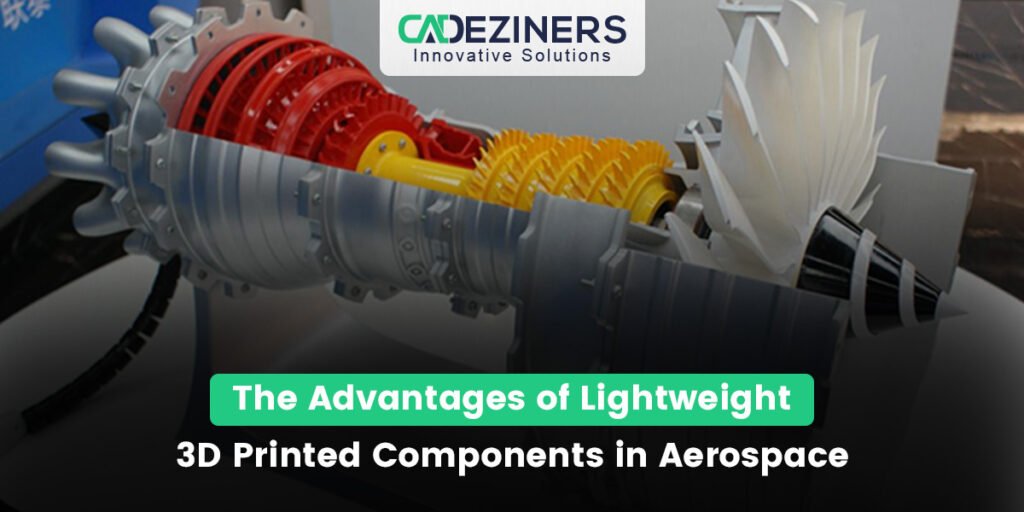
- It has significantly contributed to advancements in Australia’s aerospace industry by enabling the production of lightweight, durable components that reduce fuel consumption and production costs.
- The technology facilitates rapid prototyping, allowing aerospace engineers to test and refine designs quickly, fostering innovation and driving the development of next-generation aerospace technologies.
Envisioning its Future Based on Current Progress in Australia

1. Empowering Small Businesses with On-Demand Production
For small businesses in Australia, it is a revolutionary development. It levels the playing field by enabling local entrepreneurs to compete on a global scale without the need for large-scale manufacturing facilities.
With the ability to produce products on demand, businesses can bring their offerings to market more quickly, reduce costs, and provide customers with unique, customised experiences.
2. Diverse Applications Transforming Industries
Their versatility is evident in its wide-ranging applications across various Australian industries. In the healthcare sector, companies are leading the way by using it to produce customised implants.
This innovative approach has transformed patient care by enabling the creation of tailored solutions that enhance the efficiency and effectiveness of medical treatments.
3. Expanding Access
Adopting it in Australia is becoming increasingly accessible, thanks to a robust ecosystem of makerspaces, community workshops, and educational institutions.
These resources provide individuals from all walks of life with access to 3D printers and training programs, empowering them to explore, create, and innovate without needing much technical know-how or a large amount of money.
4. Driving Economic Growth and Innovation
The progress of 3D printing in Australia is not just transforming individual industries, but is also a catalyst for broader economic growth and innovation.
By inculcating a culture of creativity and entrepreneurship, this technology is poised to spur new startups, attract investment, and establish Australia as a global leader in advanced manufacturing and design.
Top 4 Advanced Materials: Pushing the Boundaries of Innovation
The field of additive manufacturing (AM) is continually evolving with the advent of advanced materials that expand its capabilities and applications. These materials, which lie at the cutting edge of material science, include a variety of composites, high-performance polymers, high-temperature metals, and technical ceramics. Let’s take a more in-depth look at each of the following:
1. Composites in Additive Manufacturing
Carbon Fibre, Glass Fibre, and Kevlar Composites
In AM, composites typically consist of carbon fibre, glass fibre, or Kevlar embedded within a thermoplastic matrix.
Unlike traditional composites that use a thermoset matrix, these are available in forms such as powders, pellets, or filaments. Although many applications currently use chopped fibres, developments are underway to incorporate continuous fibre composites into AM.
The broad definition of composites also includes metal composites, polymer-ceramic composites, and metal-ceramic composites, each offering unique properties and applications.
2. High-Performance Polymers
PEEK (Polyether Ether Ketone), PEKK (Polyether Ketone Ketone), and PEI (ULTEM)
These high-performance polymers are notable for their ability to withstand high temperatures and stresses. With melting points reaching up to 400 °C, these materials are suitable for demanding applications such as medical implants and industrial metal replacements.
Their exceptional strength and heat resistance make them critical for advancing the capabilities of additive manufacturing.
3. Technical Ceramics
Alumina, Zirconia, and Silicon-Based Ceramics
Advanced ceramics used in AM include alumina (aluminium oxide), zirconia (zirconium oxide), and other non-oxide ceramics such as silicon carbide and silicon nitride. These materials are known for their outstanding heat resistance, strength, and lightweight properties.
Traditional manufacturing methods struggle with shaping these materials, making their application in AM particularly promising for future innovations.
4. Refractory Metals and Metal-Ceramic Composites
Tungsten, Niobium, and Molybdenum
Refractory metals and metal-ceramic alloys are the most innovative materials in metal additive manufacturing. These metals can withstand extremely high temperatures, over 4000 °C, making them ideal for applications requiring exceptional thermal stability.
Powder bed fusion processes are commonly used to print these metals, unlocking new possibilities for complex geometries and applications that benefit from their high-temperature resilience.
The Next Big Things

a. Emerging Innovations and Technological Developments
- Multi-Material and Multi-Component Printing: The next generation of 3D printers is expected to incorporate multiple materials within a single print. This flexibility helps with the creation of complex designs of diverse material properties, significantly expanding the possibilities for product development in various Australian industries.
- Nanotechnology Integration: The integration of nanotechnology is set to enable nanoscale precision in manufacturing. This advancement will pave the way for intricate structures with revolutionary applications across industries, from electronics to healthcare.
- 4D Printing: Moving beyond traditional printing, 4D printing involves creating objects that can change shape or self-assemble in response to external stimuli such as temperature, light, or moisture. This innovation could revolutionise sectors like construction and healthcare by introducing materials that adapt to their environments.
b. Synergy with Other Advanced Technologies
- AI-Driven Design Optimisation: Artificial intelligence is increasingly being used to optimise designs for it. By enhancing structures for strength, material efficiency, and specific performance parameters, AI can make the design process more efficient and precise.
- Robotic Assembly and Post-Processing: The integration of robotics into the process could automate tasks such as part removal, surface finishing, and assembly. This synergy between this and robotics is likely to streamline production lines and ensure higher quality outputs, boosting efficiency in Australian manufacturing sectors.
c. Speculations on Future Applications and Industry Impact
- Space Exploration and Off-World Manufacturing: This technology is anticipated to play a critical role in space colonisation efforts, enabling the construction of sustainable habitats on other planets by utilising local materials. This technology could be key to establishing a human presence beyond Earth.
- Medical Advancements and Personalised Healthcare: The future of 3D bioprinting holds the potential to create functional organs, tissues, and pharmaceuticals tailored to individual patients. This could revolutionise healthcare in Australia, offering personalised medical solutions that improve patient outcomes.
- Sustainable Manufacturing and Circular Economy: As industries in Australia focus on sustainability, it could facilitate a sustainable and circular economy by encouraging the recycling and repurposing of materials. This shift could reduce waste, lower environmental impact, and support sustainable consumption practices.
The future of this technology is jam-packed with possibilities, promising to reshape industries, challenge traditional manufacturing methods, and drive innovation in Australia.
As researchers and engineers continue to explore this emerging technology, we can look forward to a new era where it becomes an integral part of our lives, fostering creativity and unlocking unparalleled potential across various sectors.
The Rise in Manufacturing
A recent study by PwC reveals that 42% of industrial manufacturers believe it will play a critical role in high-volume production within the next 3–5 years. This shift in perception highlights the growing importance of additive manufacturing in traditional production processes.
Manufacturers recognise its potential not only to increase production speed, but also to offer greater flexibility and customisation in their operations.
Transforming After-Market and Obsolete Parts Production
The PwC research also shows that 53% of manufacturers see it as more beneficial for producing after-market parts than creating new products.
Furthermore, 64% expect this technique to be instrumental in replacing older, obsolete parts. This capability is especially valuable in areas where maintaining and repairing legacy equipment is essential, offering a cost-effective solution for parts that are no longer available through traditional manufacturing.
Global Impact: Role in a Sustainable Future
The World Economic Forum has identified ten key ways it can contribute to a more sustainable world. Notable examples include the production of stronger, safer, and lighter vehicles, which could reduce emissions and improve fuel efficiency.
Additionally, this method can localise production, reducing the need for long-distance shipping and thus lowering pollution. The technology also has the potential to minimise waste in manufacturing by eliminating material offcuts and enabling the precision production of components.
Revolutionary Innovations: Miniaturisation and Beyond
Among the groundbreaking advancements is the miniaturisation of power sources. Harvard researchers, for instance, have developed a method to print 3D lithium-ion batteries smaller than a grain of sand.
This kind of innovation opens up new possibilities in fields such as medical devices, electronics, and aerospace, where compact and efficient energy solutions are crucial.
What To Expect From The Future?
This technology is rapidly evolving, with several exciting trends and technological advancements on the horizon. Here’s a look at what to expect from the future:
1. Expanded Material Options
While plastics have traditionally been the primary material used in this procedure, the future promises a broader range of materials.
Metals, ceramics, and composite materials are becoming more accessible, allowing for a wider array of applications across different industries.
This expansion opens up new possibilities for creating durable and functional parts in sectors ranging from aerospace to healthcare.
2. Multi-material and Hybrid Printing
The ability to use multiple materials in a single print is advancing rapidly. Multi-material printing enables the creation of complex, multi-functional components that combine various properties and functionalities.
Additionally, hybrid manufacturing, which integrates it with other techniques like CNC machining and injection moulding, is becoming more common. This approach enhances flexibility and precision in production processes.
3. Enhanced Speed and Efficiency
Innovations in printing technologies are significantly improving speed and efficiency. Faster curing times, advanced layering techniques, and increased automation are reducing overall printing times and increasing production rates.
These improvements are making it a more viable option for large-scale manufacturing and rapid prototyping.
4. Integration with Industry 4.0
As part of the broader Industry 4.0 movement, additive manufacturing is increasingly integrated into digital production workflows. This integration facilitates on-demand and distributed manufacturing, where smart factories utilise digital technologies for greater automation and real-time data exchange.
This shift towards digital production is transforming traditional manufacturing processes and enabling more agile and responsive operations.
5. Advancements in Printing Software
Software for printing is evolving to better support the design and optimisation of printed parts. Enhanced simulation tools are being developed to predict how parts will perform and to optimise printing parameters.
Additionally, software advancements are enabling the creation of complex geometries that are extremely hard to achieve with conventional manufacturing methods.
6. Bioprinting and Tissue Engineering
In the medical field, bioprinting is making significant strides. This technology allows for the creation of tissues and organs for transplantation and drug testing.
Bioprinting holds great promise for advancing personalised medicine and regenerative therapies, potentially revolutionising how we approach medical treatments and research.
7. Focus on Sustainability and Recycling
With growing environmental concerns, there is an increasing emphasis on sustainability in this technique. Continuous attempts are being made to develop eco-friendly materials and improve recycling processes for printed parts and waste materials.
These new developments aim to reduce the environmental impact of it and promote a circular economy.
8. Space and Aerospace Innovations
It is changing the aerospace industry by making it easier to create lightweight and complex parts. As the technology progresses, it could also revolutionise space exploration by allowing us to build parts and structures directly in space. This would reduce the need to launch materials from Earth and make space missions more sustainable.
9. Nano and Microscale Printing
The ability to print at the nano and microscale is opening new frontiers in fields like electronics, photonics, and medicine. Precise, small-scale structures are essential for these areas, and advancements in nano and microscale-printing are enabling innovations that require extreme precision and miniaturisation.
These emerging trends and technological advancements are driving the future of it, leading to more efficient production processes, innovative product designs, and groundbreaking applications across various industries.
As technology continues to expand, it is expected to bring about transformative changes in manufacturing, healthcare, and beyond.
The Future Outlook: A Transformative Force
While the possibilities of this technology are still being explored, the consensus among experts is clear: this technology will continue to disrupt and reshape industries around the world.
As new delivery technologies emerge, this will become an integral part of manufacturing and design, paving the way for new inventions and sustainable practices in the years to come.
Exploring Cutting-Edge Materials

The world of printing is growing rapidly with the development of innovative materials that enhance the capabilities and applications of additive manufacturing. Here’s a look at some of the most promising materials currently being experimented with:
1. Advanced Polymer Materials
- ULTEM® (Polyetherimide): ULTEM® is a high-strength polymer with excellent flame resistance and heat resistance. It is widely used in aerospace and electrical applications due to its durability and stability.
- PPSU (polyphenylsulfone): PPSU is known for its high impact resistance and ability to maintain mechanical properties at elevated temperatures. It’s often used in applications requiring robust performance under stress.
2. Metal Matrix Composites (MMCs)
- Ceramic Fibres/Powders: These materials are incorporated into metal matrices to enhance strength, stiffness, and wear resistance. They are used in high-performance parts that require durability and reliability.
- Graphene: Known for its remarkable electrical conductivity and strength, graphene is being experimented with to create advanced composites that offer both enhanced mechanical properties and electronic capabilities.
- Carbon Fibres: Adding carbon fibres to metal matrices improves their strength-to-weight ratio, making them suitable for applications requiring lightweight yet strong materials.
3. Functional Materials
- Conductive Inks: These inks are used to create electronic circuits on various surfaces, enabling the production of flexible and wearable electronics.
- Electrostrictive and Electromotive Polymers: These materials change shape or properties in response to electric fields, making them useful for sensors, actuators, and other smart applications.
- Diamagnetic and Paramagnetic Materials: These materials respond to magnetic fields in unique ways, offering potential applications in magnetic sensing and manipulation technologies.
- Self-Healing Polymers: Designed to repair themselves after damage, these polymers extend the lifespan of printed parts and enhance their durability.
4. Nanomaterials
- Nanoparticles, Nanotubes, and Nanofibres: Incorporating these into printing formulations enhances the properties of the resulting materials, such as strength, conductivity, and thermal stability. These advanced nanocomposites can provide unexpected benefits and performance improvements across various applications.
Experimenting with these materials is paving the way for new possibilities in printing, leading to innovations in manufacturing processes and applications. As research and development continue, we can expect even more groundbreaking advancements in additive manufacturing.
Closing Thoughts: Its Future Potential in Australia
The future of this technology in Australia is incredibly exciting, and packed with opportunities for innovation, sustainability, and economic growth.
As new technologies keep pushing the limits, it is all set to be a key role in the next wave of industrial and creative breakthroughs. Stay ahead of the game and see how it can boost your business and drive growth in Australia.