
How To Assure Smooth 3D Prints? A Complete Guide

You’ve spent hours perfecting your 3D model, sliced it with care, and watched it take shape layer by layer, only to end up with a surface that’s rough around the edges. Sound familiar? Achieving that flawless, polished look can often feel like chasing smoke. But here’s the truth: smoothing 3d prints doesn’t have to be an uphill battle. With the right approach, you can transform ridged layers into sleek, professional-grade surfaces that feel as good as they look.
A Practical Guide to Smoothing Your 3D Prints
Smoothing your 3D prints is the final step that turns a rough draft into a polished product. In this practical guide, we break down the most effective methods on how to smooth 3D prints, covering techniques for different materials, tools, and finishes. No matter if you’re working on prototypes or final products, these tips will help you take your prints from good to great, one layer at a time.
1. Start with Proper Print Settings to Minimise Roughness
The foundation of a smooth print starts long before any post-processing. Layer height, nozzle temperature, and print speed all play a role in surface texture. Choosing a smaller layer height naturally results in less noticeable ridges. Slower speeds help each layer bond more precisely, while a calibrated temperature prevents blobs and strings. If you’re wondering how to make 3D prints smooth from the start, dialling in your print settings is the first step to a clean finish.
We offer not just precision printing, but the experience and tools that turn good prints into great ones. Explore our expert services of 3D Printing in Canberra and other Australian regions for reliable results, smooth finishes, and expert craftsmanship; print after print.
2. Use Sanding Techniques to Refine PLA and ABS Prints
When it comes to how to smooth out 3D prints made from PLA or ABS, sanding is a go-to method. Begin with a coarse grit, such as 100 or 200, to remove prominent ridges. Then, work your way up to 400 or even 1000 for a polished result. Wet sanding can also help eliminate dust and reduce friction. Just remember, patience pays off. Rushing through grits or skipping steps can leave scratches that ruin your finish. Take it slow, and you’ll be rewarded with a surface that feels almost injection-moulded.
3. Apply Chemical Smoothing for Glossy, Seamless Finishes
For ABS prints, acetone vapour smoothing can turn a textured print into a mirror-like masterpiece. The vapour melts the outermost layer, bonding ridges and creating a flawless sheen. It’s important to follow safety precautions, as acetone is highly flammable. Enclosed vapour chambers work best for consistency. PLA doesn’t respond well to acetone, but speciality chemicals like ethyl acetate can produce similar effects. If you’re tackling how to smooth 3D prints with a professional-grade shine, this method is worth the setup.
4. Try Filler Primers Before Painting or Coating
Another effective option for smoothing 3D prints is the use of filler primers. These products fill in tiny gaps and layer lines, providing a consistent surface for painting. Spray the primer evenly, let it dry, then sand lightly to level it out. For best results, repeat this process two to three times. This is especially useful for models that need to be coloured or coated after printing. With just a few coats and some light sanding, even rough PLA prints can look sharp and refined.
5. Consider Resin Coating for High-Detail Projects
For small models or parts with intricate details, resin coating provides an excellent alternative. By brushing or dipping the model in UV-curable resin and then curing it under a UV lamp, you achieve a smooth, hard shell that protects and polishes the surface. This approach not only enhances the look but also adds strength. If you’re using additive manufacturing services, resin post-processing can add that final professional touch to complex prints.
6. Don’t Underestimate the Power of Proper Cleaning
Before sanding or coating, ensure your print is clean and free from dust or oil. Even fingerprints can interfere with smoothing. Utilise compressed air or a gentle brush to remove particles. For resin or chemical-smoothened prints, isopropyl alcohol helps clean up sticky residue. Starting with a spotless surface ensures that your post-processing efforts don’t go to waste. If you’re aiming to master how to make 3D prints smooth, cleanliness is half the battle.
7. Match the Technique to the Material for Best Results
Different materials respond better to certain techniques. PLA favours sanding and filler primers, while ABS shines with chemical smoothing. Resin prints, on the other hand, may only need light sanding or curing. Understanding how each material behaves under different finishing methods helps you select the most suitable strategy. If you’re still learning how to smooth out 3D prints, consider printing test pieces using various approaches; you’ll quickly discover what works best for your specific application.
8. Use Finishing Tools for Efficiency and Precision
Sometimes, manual sanding or brushing isn’t enough, or simply too time-consuming. That’s where rotary tools, electric sanders, and heated spatulas come in. These tools streamline the smoothing process, especially for larger prints or bulk jobs. Just ensure you use the correct attachments and speed settings to prevent melting or damaging the print. For creators managing a large workflow, using finishing tools can take how to smooth 3D prints to a whole new level of speed and accuracy.
Conclusion: Smooth Prints Begin with Smart Techniques
Achieving a silky, professional finish on your 3D prints doesn’t require expensive machines or endless trial and error; it just takes the right methods, matched with a bit of patience. By understanding how to smooth out 3D prints and applying the right post-processing strategies, you can take your models from rough to refined with confidence. No matter if you’re polishing a prototype or perfecting a final product, smoothing is the final flourish that makes all the difference.
For expert support and precision results, explore our 3D printing service in Adelaide and beyond in Australia.
Recent Posts
-
 How 3D Printing Is Transforming Custom Medical Devices19 Mar 2026
 -
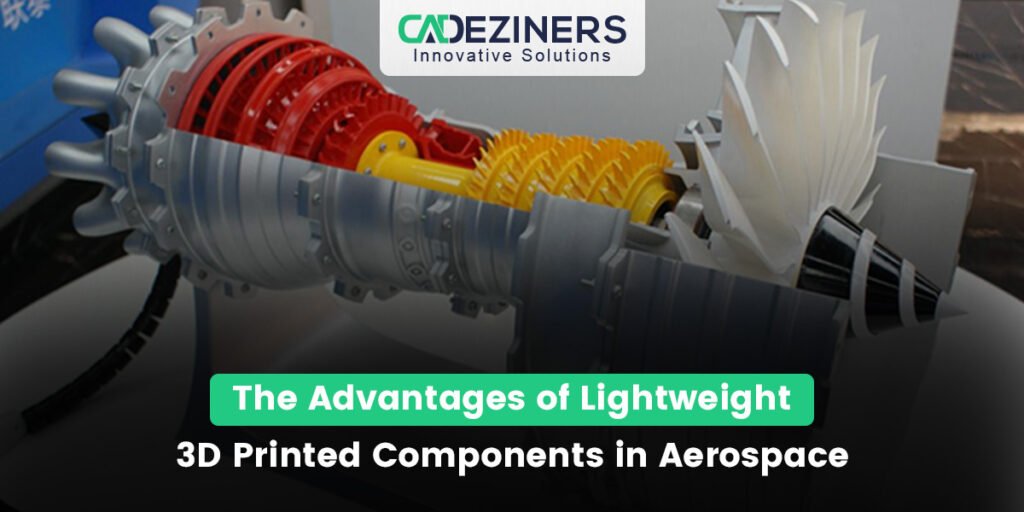 The Advantages of Lightweight 3D Printed Components in Aerospace18 Mar 2026
 -
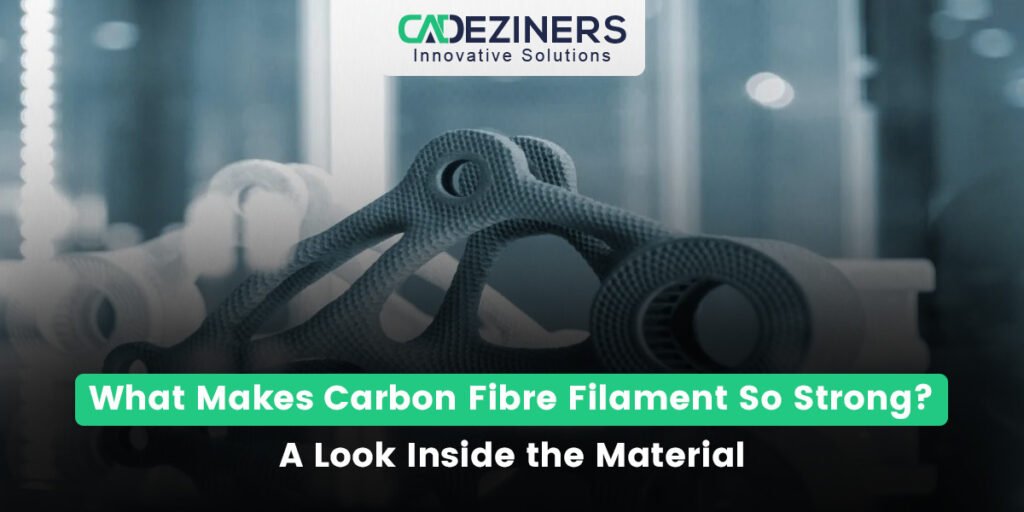 What Makes Carbon Fibre Filament So Strong? A Look Inside the Material17 Mar 2026
 -
 Why 3D Printed Exhibition Models Are Essential for Trade Show Success16 Mar 2026
 -
 How the Entertainment Industry Uses 3D Printing for Faster Props, Costumes & Sets26 Feb 2026