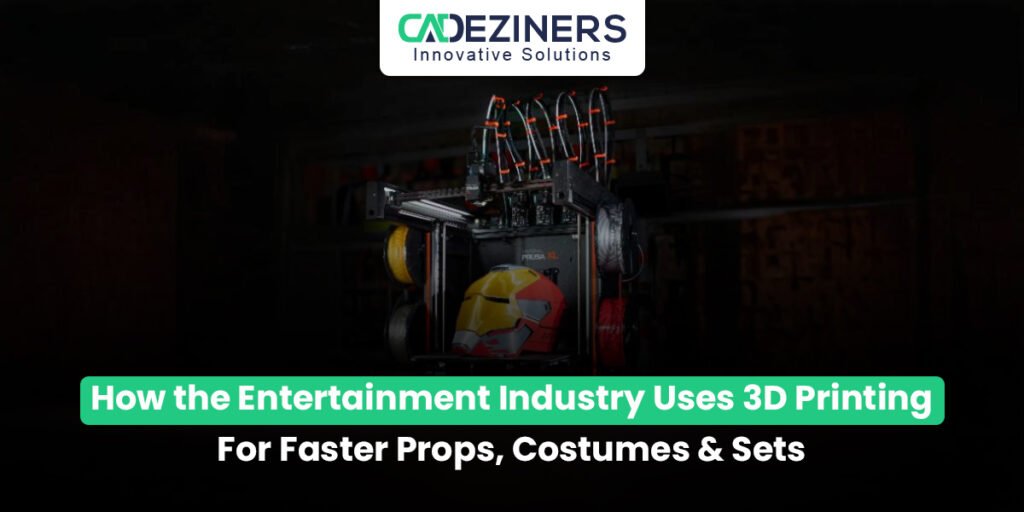
This technology is widely used for making everything from simple plastic items to complex aerospace parts. It includes various technologies, techniques, and materials.
This blog will discuss the history of it, how it works, what you can create with 3D printers, the technology’s advantages and disadvantages, examples of its uses, and software for printing.
So, let’s get started with this comprehensive guide!
Key Takeaways
In this blog, we will discuss the following topics:
- It began with stereolithography in the 1980s, evolving into various methods like SLS and FDM.
- It’s crucial in industries for prototyping, custom parts, and even construction.
- Advancements include bioprinting for tissues, large-scale manufacturing, and sustainability efforts.
- Integration into Industry 4.0 is enhancing digital workflows and customisation capabilities.
- Applications span healthcare, aerospace, automotive, art, and fashion industries.
- Challenges include material limitations and scalability for mass production.
History
The origins of it date back to the 1980s when Chuck Hull, co-founder of 3D Systems, invented stereolithography (SLA). This early technology used UV light to harden layers of liquid resin, building objects layer by layer.
This breakthrough led to advancements like selective laser sintering (SLS) and fused deposition modelling (FDM®), which expanded the capabilities of it.
These methods became crucial in industries for creating prototypes, tools, and even finished products.
Today, it is widely used across various fields, thanks to its ease of production of intricate designs and customised objects.
Defining Additive Manufacturing

Additive manufacturing forms three-dimensional objects from digital designs. It builds these objects layer by layer using materials like plastic or metal.
This method contrasts with subtractive manufacturing, where the material is cut away. One exciting advancement is volumetric printing, which can create entire structures at once without layering. However, this technology is still mainly in the research stage.
It is used for the production of intricate shapes with minimal material waste compared to traditional manufacturing methods. This versatility makes it valuable across various industries, from creating small trinkets to advanced aerospace components.
What Is The Current Picture?
The current state of it showcases a wide range of technologies and applications that span various fields, from microscopic components to large-scale built environments.
It’s used in biology, high technology, and spans materials like polymers, metals, food, and biological substances. This diversity of applications cuts across all industries and regions, highlighting its growing importance.
Continuous innovation is expanding its capabilities, making it increasingly vital in manufacturing and beyond.
As printing technologies advance further, they are expected to play a crucial role in shaping the future of manufacturing, offering new possibilities across different sectors.
Ongoing Progress in Printing Technology

1. Advancements in 3D Bioprinting
Researchers are making significant strides in printing complex tissues and organ-like structures for regenerative medicine and personalised healthcare. This progress could lead to commonplace replacement organs in the near future.
2. Large-Scale Additive Manufacturing
The use of printing tech is becoming increasingly popular for constructing buildings, aerospace components, and vehicle parts. Companies are innovating with new techniques and materials, including polymer-bound regolith for potential moon construction projects like mining Helium-3.
3. Focus on Sustainability
The printing industry is prioritising sustainability by developing eco-friendly materials, reducing waste, and implementing recycling programs. Bio-origin, biodegradable, and recycled materials are being explored to minimise environmental impact.
4. Integration into Industry 4.0
It is becoming integral to digital manufacturing workflows in Industry 4.0. It enables on-demand production, mass customisation, and decentralised manufacturing networks. Advances in software, automation, and digital design tools are driving this integration, lowering costs and simplifying processes.
5. Revolutionising Healthcare
In healthcare, it offers new possibilities for patient-specific implants, surgical guides, and biocompatible soft tissue. Innovations in medical-grade materials and bioprinting techniques are improving patient outcomes and reducing healthcare costs.
These developments highlight the ongoing evolution and diversification of printing technologies across various industries. As these technologies keep advancing, they hold the potential to reshape the future of manufacturing and beyond.
Overview of Different Printing Technologies
The ISO/ASTM 52900 standard covers the basic principles and terms in this and categorises these processes into seven distinct groups. Each type of printing operates differently.
The time required to print a 3D object depends on different factors, including the printing method, object size, material, desired level of detail, and the configuration of the printing setup. Printing can range from a few minutes to several days.
Here are the different types of printing methods categorised by ISO/ASTM 52900:
a. Powder Bed Fusion
Powder bed fusion is a kind of printing where layers of powder are selectively fused together using thermal energy from a laser or electron beam.
Here’s how it works: First, a thin layer of powder is spread over a platform. Then, the laser or electron beam scans the powder bed, melting or sintering specific areas to form a solid layer. The process continues layer by layer until the complete object is formed.
Selective laser sintering (SLS) is a common method under PBF and is used mainly to make polymer parts. It allows for complex shapes without needing additional support structures, though the parts may have some porosity and a textured surface requiring finishing touches.
Processes like direct metal laser sintering (DMLS) and selective laser melting (SLM) are used for metal parts. These methods fully melt metal powder particles layer by layer, resulting in strong components with fine surface finishes. However, they are expensive and suitable mainly for smaller objects due to machine size limitations.
Overall, PBF methods allow the creation of intricate designs in various materials, though they require careful post-processing to achieve the desired quality and strength in the final printed parts.
b. VAT Photopolimerisation
VAT photopolymerization encompasses two main methods: digital light processing (DLP) and stereolithography (SLA), both used to create objects layer by layer using a light source to solidify liquid resin stored in a vat.
In DLP, each layer is exposed to a complete image projected onto the liquid resin surface. Conversely, SLA employs a UV laser or light to cure the resin point by point. After printing, excess resin is removed, and the object undergoes additional light exposure to enhance its strength. Any support structures used during printing must be removed afterwards, and the part may require further finishing for a smoother surface.
These methods excel in producing highly detailed prototypes with precise dimensions and a fine finish. However, parts made this way can be brittle and may degrade in sunlight, limiting outdoor use. Additionally, the need for support structures can sometimes affect the final appearance of the printed object, which can be addressed through post-printing processes.
c. Material Jetting
Material jetting operates similarly to inkjet printing but uses print heads to deposit layers of liquid material instead of ink on paper. Each layer is solidified (cured) before the next one is added. Support structures, if needed, can be made from a water-soluble substance that washes away once printing is finished.
This precise method is ideal for producing colourful parts using various types of materials. However, it can be expensive, and the printed parts may be fragile and prone to degradation over time.
Overall, material jetting offers high accuracy and versatility in creating detailed, multicoloured objects, though it requires careful handling and consideration of its material properties.
d. Binder Jetting
Binder jetting is another type of printing where powdered materials like polymer, sand, ceramic, or metal are used. Here’s how it works: A thin layer of powder is spread over a platform, and then a print head deposits adhesive drops to bind these particles together. This process repeats layer by layer, gradually building the desired object.
For metal parts, additional steps like thermal sintering or infiltration with a low-melting metal (like bronze) are needed to strengthen the printed parts. Ceramic or full-colour polymer parts may use a cyanoacrylate adhesive for solidification. After printing, post-processing is usually required to refine the final output.
It finds applications in creating large-scale ceramic moulds, colourful prototypes, and even 3D metal prints. It’s a versatile method that allows for the production of complex shapes and varied materials, though it typically requires some finishing touches for optimal results.
e. Fused Deposition Modeling
In fused deposition modelling (FDM), a heated nozzle melts a filament of material and deposits it layer by layer to build an object. Here’s how it works: The material is softened by heat and carefully placed in specific areas to cool and solidify. Once one layer is complete, the build platform moves down to start the next layer.
FDM is known for its quick production times and affordability. However, it may lack precision in shape and surface smoothness, often requiring additional finishing touches for a polished appearance. Parts made this way may not be suitable for critical uses where strength in all directions is crucial.
Overall, FDM is a widely used printing method due to its speed and cost-efficiency, though the final parts may need post-processing to achieve the desired quality and strength.
f. Sheet Lamination
Sheet lamination includes two main technologies: ultrasonic additive manufacturing (UAM) and laminated object manufacturing (LOM). Here’s how they work:
- Ultrasonic Additive Manufacturing (UAM): This method uses low energy and temperature to join thin metal sheets together using ultrasonic welding. It’s capable of working with metals like stainless steel, titanium, and aluminium. UAM creates strong bonds between layers, making it suitable for various metal parts.
- Laminated Object Manufacturing (LOM): LOM builds objects by layering materials and adhesives alternately. Each layer is cut according to the object’s design and then bonded together to form the final product. This method is versatile for using different materials and is often used for creating prototypes and models.
Both UAM and LOM are used in manufacturing for their unique capabilities in producing parts from metals and other materials, each offering distinct advantages depending on the application requirements.
g. Direct energy deposition
Direct energy deposition is a method in which a focused thermal energy source, like a laser or electron beam, melts powder or wire feedstock as it’s deposited. The material is fused together layer by layer, with each layer building upon the previous one to form the final part.
This technique is versatile and can work with various materials such as ceramics, polymers, and metals. It’s used horizontally to create layers that are then stacked vertically to shape the object. Direct energy deposition is valued for its ability to build complex parts directly from digital designs, offering flexibility in material choices and applications across different industries.
What Are The Basics Of Printing?
Additive manufacturing creates objects layer by layer from digital designs.
The process involves creating a digital model, slicing it into layers with software, and printing using various methods like Fused Deposition Modeling (FDM), Stereolithography (SLA), or Selective Laser Sintering (SLS).
Plastics, metals, and resins are common materials used in 3D printers. Key components include the build platform, print head, motion system, and control system.
It allows for customisation, complex geometries, and reduced waste but faces limitations in material variety, object size, and printing speed.
Is It Hard To Learn?

Learning it is an accessible skill that requires patience, curiosity, and creativity. Developing basic skills such as computer literacy, spatial awareness, math and logic, creativity, and innovation is essential.
Additionally, having access to indispensable tools such as a 3D printer, a 3D modeling software, and a printing software is crucial.
The benefits of acquiring printing skills are numerous, including opportunities for personalisation, creative expression, educational applications, and enjoyment.
However, one may encounter challenges related to cost, quality, and safety. Overall, learning it is an enriching and rewarding experience for those who are open to learning and improving their skills.
What Software To Use With a 3D Printer?
The type of printing software you need depends on the specific printing technology you are using.
- Ultimaker Cura is a widely used software for fused deposition modelling (FDM) printers, and it is compatible with any brand.
- For Stereolithography (SLA) printing, PreForm is specifically designed to prepare prints on Formlabs SLA machines.
- For versatility across multiple technologies, including FDM, SLA, and Selective Laser Sintering (SLS), 3D Sprint by 3D Systems offers support for a wide array of 3D printers.
Our comprehensive blog can help you expand your understanding of “What software to use with a 3D printer?”
How To Create Designs For It?

Creating designs for it involves several steps:
- Start by conceptualising and planning your idea.
- Use 3D modelling software like Tinkercad for beginners, SketchUp for intermediate users, or Blender and Fusion 360 for advanced designs.
- Build your model using the software’s tools, ensuring precision and optimising for printing by checking for errors and adding supports if needed.
- Save your model as an STL file and utilise slicing software such as Cura or PreForm to generate the G-code necessary for printing.
- Finally, print and post-process your design by removing supports and finishing as needed. Practice and iteration are key to improving your skills.
Pros and Cons
Pros
It accelerates product development by enabling rapid prototyping and quick iteration of designs. It offers affordable options for entry-level machines and is user-friendly with slicing software that simplifies the printing process. This accessibility makes it feasible for small businesses and individuals to create customised objects without needing extensive technical knowledge.
Cons
However, it is limited in its application to industries requiring strong or specific materials, particularly metals. Although it’s good for quick prototyping and small-scale production, it isn’t as fast or cost-effective as CNC machining and injection moulding for large-scale manufacturing. This difficulty in scaling up prevents it from becoming the main choice for mass production in many industries.
You can explore the pros and cons of it further in our detailed blog post.
Applications
1. Prototyping:
It speeds up the process of developing new products by allowing quick changes to designs. Engineers and designers can create multiple versions of a product to test how it looks and works. This helps find and fix problems early, saving time and money. It’s used in industries like electronics and aerospace, where precision and fast testing are important.
2. Manufacturing:
This printing customises parts and components for different industries, unlike traditional methods that cut or mould materials. It builds items layer by layer from digital designs, making complex shapes possible. This reduces waste, cuts tooling costs, and lets companies make small batches or custom products quickly. It’s transforming how things are made, from medical devices to machinery.
3. Healthcare:
In healthcare, it creates personalised solutions to improve patient care. It makes custom prosthetics, dental aligners, and surgical models that fit perfectly. Surgeons use printed models to plan surgeries accurately, reducing time in the operating room. Advancements in bioprinting may one day create organs for transplants, shaping the future of medicine.
4. Automotive and Aerospace:
It helps build lightweight, strong parts for vehicles and aircraft. It uses less material and simplifies assembly compared to traditional methods. Automakers use it for prototypes and custom parts, while aerospace relies on it for complex components like turbine blades. This technology boosts efficiency and innovation in transportation.
5. Art and Fashion:
In art and fashion, this printing fuels creativity by making unique designs possible. Artists use it for intricate sculptures, and designers use it to create avant-garde fashion pieces. It allows for customisation in size, shape, and texture, pushing boundaries in artistic expression and consumer fashion choices.
Frequently Asked Questions
1. Can I 3D print whatever I want?
The general answer is yes, to a large extent. It allows individuals to create various objects and designs directly from digital models.
2. Can I teach myself this?
Yes, you can definitely teach yourself this printing. Learning it involves understanding the basics of how 3D printers work, familiarising yourself with 3D modelling software to create or modify designs, and learning how to operate a 3D printer to bring your designs to life.
3. What is the easiest material for it?
Generally, PLA (polylactic acid) is considered one of the easiest materials for beginners to work with. It’s widely used due to its low printing temperature, minimal warping, and ease of use.
4. What things Cannot be 3D printed?
Items made from materials that are not compatible with printing, such as certain types of metal alloys, ceramics, and complex composites, cannot be printed.
Conclusion
It continues to evolve as a transformative technology with vast potential across industries. Understanding its principles, applications, pros, and cons is important for businesses and individuals looking to harness its capabilities for innovation and growth in the future.
Whether you’re exploring its possibilities for rapid prototyping, customised manufacturing, or groundbreaking medical advancements, it remains at the forefront of modern manufacturing technologies, shaping how we design, create, and build in the 21st century.
Looking for a reliable printing service company? This is what you’ve been looking for! We offer services for custom 3D printing in Australia that are designed to bring your innovative ideas to life with precision and efficiency.
Feel Free to Get in Touch!
Contact us, a leading printing services company that caters to your specific needs with advanced technology and expert solutions. Our experienced team is dedicated to delivering top-notch results, making us your go-to partner for all your requirements.
Also, visit our blog for the latest printing facts, trends, news and high-quality, precise printing services across Australia!