
Why 3D Printed Exhibition Models Are Essential for Trade Show Success
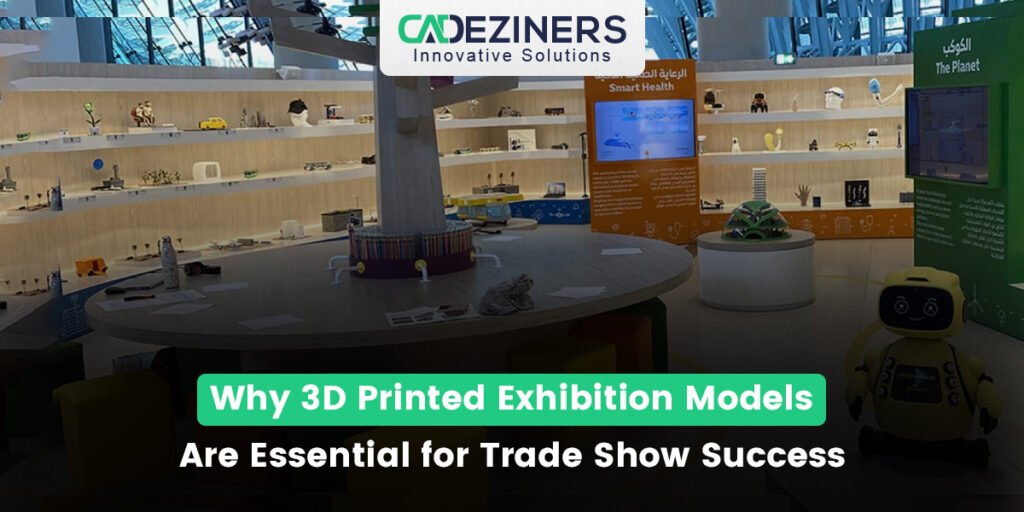
Trade shows place businesses in a competitive environment where attention is limited, and every brand aims to stand out. Visual presentation plays a significant role in helping audiences understand products, designs, and technical concepts within seconds. This is where 3D printed exhibition models bring real value. They transform digital designs into detailed physical objects that visitors can see closely. These models often represent architectural structures, engineering components, machinery, or product prototypes.
In modern trade show exhibitions, interactive displays help attract attention and encourage discussion. A well-designed model becomes the centre of conversation at a booth. Visitors gather around it, examine the details, and ask questions. Such interaction helps companies communicate ideas more effectively while leaving a strong impression on potential clients and partners.
What Are 3D Printed Exhibition Models?
3D printed exhibition models are scaled physical representations of products, machinery, buildings, or design concepts created through additive manufacturing technology. Engineers and designers prepare a digital model using specialised software. A 3D printer then produces the object layer by layer until the complete structure appears.
These models help transform technical drawings into physical forms that people can easily understand. At exhibitions and events, businesses display them on counters or presentation platforms as part of their trade show displays. Visitors gain a clearer view of how a product works or how a structure will appear once built.
Why Visual Demonstrations Matter At Trade Shows
Trade shows are dynamic environments where thousands of visitors move across exhibition halls within a limited time. Booths compete for attention through signage, lighting, and product displays. Physical models provide that visual advantage. Unlike flat graphics or printed brochures, a three-dimensional object immediately draws the eye. When placed within a well-planned exhibition stand design, a detailed model becomes the focal point of the entire display.
Visitors tend to approach displays that appear tangible and interesting. Once they stop at a booth, the model begins to communicate the message even before a conversation starts. The shape, scale, and structure provide visual clues about the product or project being presented.
Key Benefits of Using 3D Printed Exhibition Models
Strong Visual Impact
A carefully crafted model creates a powerful first impression. Visitors scanning the exhibition floor notice the structure and feel curious about the design. Its presence signals professionalism and technical capability. When incorporated into custom exhibition stands, the model becomes a central visual element that represents the brand clearly.
Clear Product Demonstration
Many products involve internal parts, moving mechanisms, or complex shapes. A 3D printed model allows exhibitors to present these features clearly. Cutaway sections or transparent areas may reveal internal structures. Visitors understand the function more easily compared with studying diagrams or presentations.
Improved Audience Engagement
Interaction increases visitor interest. People naturally move closer to examine a model and often ask questions about its design. This interaction creates opportunities for discussion. Instead of a one-way presentation, the booth becomes a space where ideas and solutions are explained through conversation.
Easy Customisation
3D printing allows designers to adjust scale, colours, and surface details according to presentation goals. Branding elements like logos or colours can be incorporated directly into the model. Businesses also modify models to highlight specific components or features relevant to the exhibition theme.
Faster Production Compared to Traditional Methods
Traditional model-making techniques require manual shaping and mould preparation, which may take several weeks. 3D printing speeds up this process significantly. Designers produce prototypes within days after finalising the digital file. This rapid production supports last-minute improvements before a trade show exhibition.
Practical for Large or Complex Products
Some industrial products remain too large or heavy for exhibition transport. Machinery, infrastructure systems, and vehicles often require significant logistics planning. A scaled model solves this problem by presenting the concept in a compact form that fits easily within booth displays.
Industries That Benefit from Exhibition Models
Many industries depend on physical visualisation when presenting ideas during exhibitions. 3D printed models support these demonstrations effectively.
- Architecture and real estate firms often display scaled building designs that illustrate layout, structure, and surrounding environments. Visitors see how the development fits within a space and understand the design concept instantly.
- Engineering and manufacturing companies present machinery components or industrial systems. These models reveal mechanical structures that might otherwise remain hidden inside large equipment.
- Automotive designers sometimes display miniature vehicles to highlight design features and engineering innovation. Such models offer an impressive visual centrepiece within trade show displays.
- Aerospace organisations present aircraft components or satellite structures. Complex engineering details become easier to explain through physical representations.
- Product design companies show prototypes that represent upcoming innovations. These prototypes communicate functionality while also demonstrating design quality.
- Urban planning and infrastructure projects benefit greatly from exhibition models. Scaled city layouts help audiences visualise transportation systems, public spaces, and development plans.
Across these sectors, the purpose remains similar. A model communicates design intent clearly while helping visitors grasp ideas that might otherwise appear abstract.
Choosing The Right 3D Printing Partner for Exhibition Models
Producing exhibition models requires both technical skill and design understanding. A professional 3D printing provider ensures that the model reflects the original design accurately while remaining durable for exhibition use. Multiple factors influence the quality of the final model.
Design Expertise
Experienced designers interpret digital files correctly and optimise them for printing. This preparation prevents structural issues during production.
Material Selection
Different materials offer varied properties such as durability, flexibility, and surface quality. Selecting the appropriate material ensures the model withstands transportation and frequent handling.
Precision Printing Technology
Advanced printing equipment delivers consistent layers and fine details. High-quality printers support accurate reproduction of complex geometry.
Post-Processing and Finishing
Surface finishing improves the appearance of exhibition models. Techniques such as sanding, painting, and coating provide a polished look that suits professional presentations.
Reliable Turnaround Times
Trade shows follow strict schedules. A dependable provider ensures the model is ready before the event, allowing sufficient preparation time for booth installation.
For businesses planning their next exhibition display, professional assistance makes a significant difference. If your organisation is seeking reliable 3D printing in Perth, you can get in touch with CAD Deziners to discuss custom exhibition models designed for trade show presentations.
Final Thoughts
Trade shows offer valuable opportunities for companies to present ideas, demonstrate innovation, and connect with potential clients. Success in such environments often depends on how effectively a business communicates its message within a limited time. 3D printed exhibition models provide a powerful solution. They transform digital concepts into physical representations that visitors can examine closely. These models strengthen trade show displays, improve product explanation, and encourage direct interaction with audiences.
Clear visualisation helps potential buyers understand complex products more quickly. Accurate models also enhance credibility during presentations and discussions. When integrated into thoughtful exhibition stand design, they become an essential element of effective marketing. Businesses preparing for upcoming exhibitions should consider how physical models can support their display strategy.
If you need 3D printing in Brisbane to help you with your exhibition display, CAD Deziners specialises in custom exhibition models designed for impactful trade show presentations. Contact us to discuss your design today!
Recent Posts
-
 How 3D Printing Is Transforming Custom Medical Devices19 Mar 2026
 -
 The Advantages of Lightweight 3D Printed Components in Aerospace18 Mar 2026
 -
 What Makes Carbon Fibre Filament So Strong? A Look Inside the Material17 Mar 2026
 -
Why 3D Printed Exhibition Models Are Essential for Trade Show Success16 Mar 2026
-
 How the Entertainment Industry Uses 3D Printing for Faster Props, Costumes & Sets26 Feb 2026