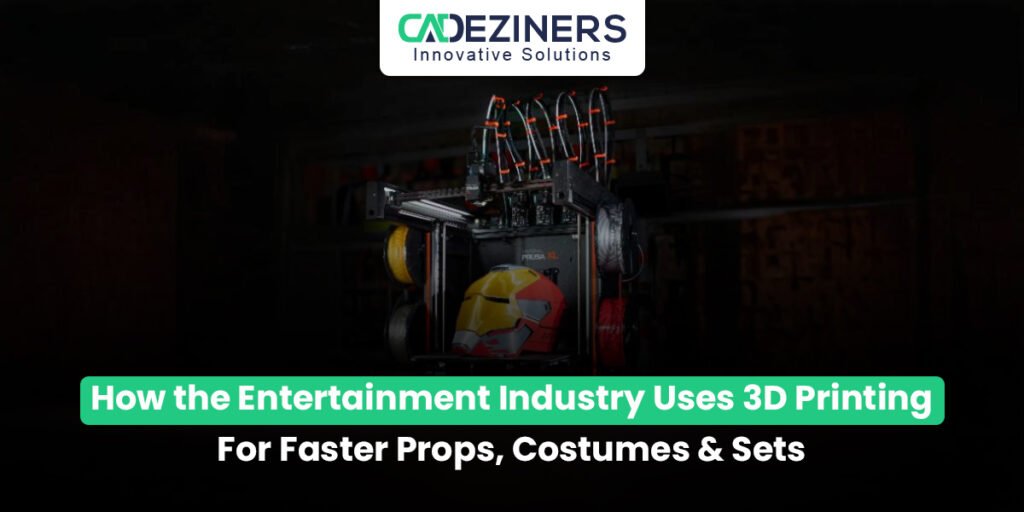
In exhibitions, grabbing attention and conveying your message effectively is key. For displaying a futuristic cityscape, a historical event, or a complex architectural proposal, traditional methods may fall short of creating a truly memorable experience. That’s where 3D-printed miniatures come in. They turn your imagination into a tangible 3D reality that immediately captures the audience’s interest and sparks their curiosity.
Beyond the Limitations: Why Choose 3D-Printed Models for Exhibitions
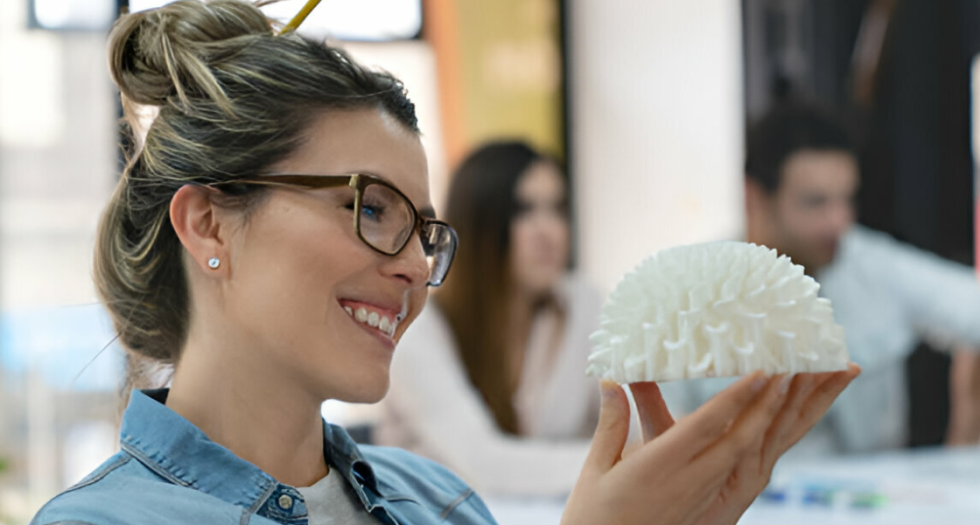
While traditional methods have been common in exhibitions, it brings numerous advantages that boost your display’s impact:
1. Unmatched Design Freedom:
It breaks free from the constraints of traditional methods. Unleash intricate geometries and complex details previously difficult or impossible to achieve. Imagine showcasing models with intricate lattice structures or organic shapes, pushing the boundaries of design with unparalleled precision.
2. Rapid Prototyping
Rapid prototyping, which is enabled by its speed and flexibility, is unparalleled. Experiment with different design iterations quickly and efficiently, refining your model and achieving the perfect representation of your vision. This iterative process allows for last-minute changes and ensures your model flawlessly reflects your message. Here, this printing technique shines compared to traditional methods, where modifications can be time-consuming and expensive.
3. Customisation at Your Fingertips:
Embrace complete control over the design with this printing technology. Integrate your brand logos, incorporate specific features relevant to your project, or personalise the model uniquely. Such a high degree of customisation guarantees that your model grabs attention and leaves a lasting impact on visitors.
4. Cost-Effectiveness for Complex Designs:
For intricate models with a high degree of detail, it can be a more cost-effective solution than traditional methods. By eliminating the need for intricate hand-crafting or specialised tools, it optimises production time and resources, especially compared to the cost of creating multiple prototypes through traditional methods.
Beyond the Hype: The Power of a 3D-Printed Model in Your Exhibition Booth
3D-printed models aren’t just about technological advancements; they offer a powerful tool to transform your exhibition experience:
1. Enhanced Engagement:
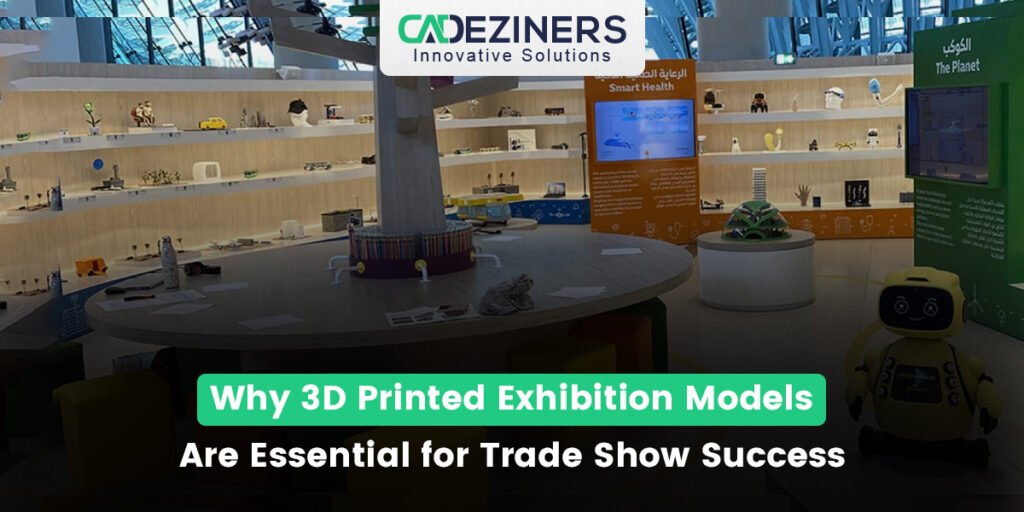
High-quality 3D-printed models with realistic details naturally attract attention. Visitors can get a closer look at the intricate details, interact with the model in case of interactive elements, and gain a deeper understanding of your concept. This level of engagement fosters a more memorable experience for viewers.
2. Visual Storytelling:
Model-making becomes a powerful storytelling tool, particularly for conveying complex narratives. Imagine a 3D-printed miniature depicting a historical event or a futuristic city – these models can transport viewers and ignite their imaginations, weaving a compelling story within your exhibition space.
3. Space Optimisation:
Exhibitions often face space limitations. 3D-printed models offer a compact way to showcase large-scale projects or intricate concepts. Imagine a complex architectural proposal showcased through a detailed 3D-printed model—even confined spaces can effectively convey your vision.
4. Unparalleled Visual Appeal:
A well-crafted 3D-printed model is a work of art in itself. From smooth surfaces and precise details to realistic textures and integrated lighting, 3D-printed models can be aesthetically pleasing, drawing in viewers and elevating the overall visual impact of your booth.
Bringing Your Vision to Life: The Printing Process for Exhibition
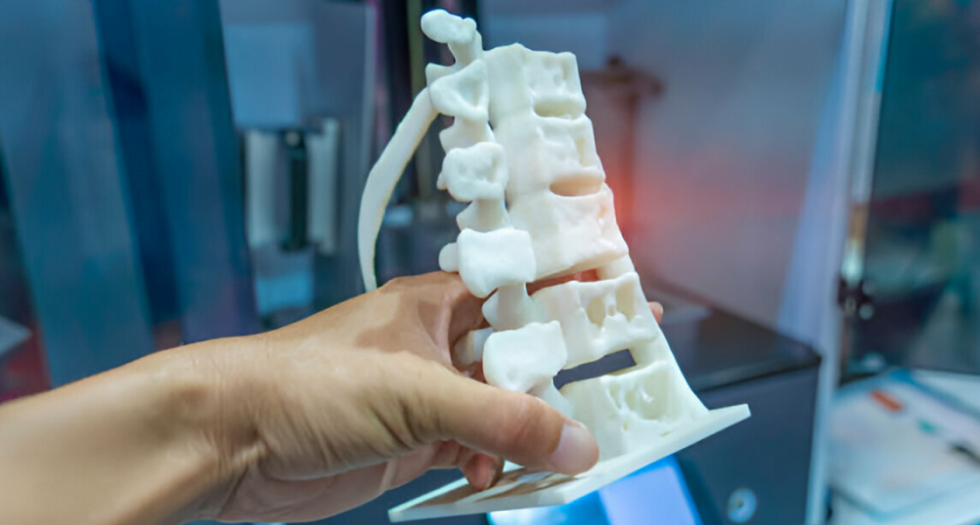
The journey from concept to captivating 3D-printed model for your exhibition involves several key steps:
● Concept Development:
Collaboration is key! Clearly define the story you want the model to tell. Work closely with experienced 3D designers and model-makers to ensure your vision translates effectively.
● 3D Modelling and Design:
Using specialised 3D design software, the concept is translated into a digital 3D model. This model allows for precise details, intricate geometries, and seamless integration of branding elements or other customisation needs.
● Material Selection:
The choice of material depends on factors like desired detail level, functionality, and budget. Common materials for it include durable plastics with smooth finishes, offering a balance of affordability and visual appeal.
● Printing and Post-Processing:
The digital model is sent to a 3D printer, bringing it to life layer by layer. Following printing, post-processing techniques like sanding, painting, and integrating lighting elements may be applied for additional refinement. Here, 3D-printed prototypes can be instrumental in finalising the design.
Before committing to the final model, you can create quick and inexpensive prototypes of your model to test functionality, aesthetics, and overall form. This iterative process ensures your final 3D-printed model is precisely what you envisioned.
The Future of Exhibitions: A World of Possibilities
It is revolutionising the way we showcase ideas and concepts in exhibitions. From intricate architectural models to captivating historical replicas, the possibilities are endless. By embracing this cutting-edge technology, you can turn your creative vision into a tangible 3D masterpiece, ensuring your exhibition booth stands apart and leaves a lasting mark on visitors.
Rapid Prototyping Made Easy With Our Printing Prototype Service!
Brisbane Businesses, Turn Ideas into Reality! Get high-quality, fast-turnaround 3D printing services in Brisbane. Our advanced technology and expert team can bring your vision to life, from prototypes to finished parts. Upload your design or contact us today for a quote and experience the future of manufacturing in Brisbane!