
The Chrome Plating For Making 3D Printed Trophies
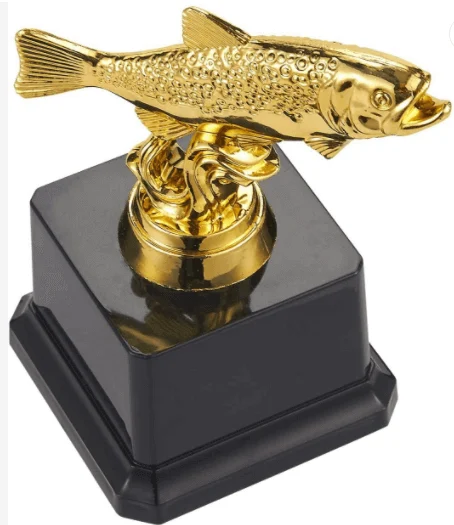
Additive manufacturing, is an advanced technological process. It allows building objects in an additive process with the help of a 3D digital design. This process uses the 3D design in an STL format, which is then sent to a 3D printer.
The working of a 3D printer is like that of a conventional printer. A 3D printer prints an object by depositing a material on top of the substrate. It deposits layers on top of layers until the final product is obtained.
It is implied in a variety of industries ranging from commercial applications to domestic products. One of these remarkable applications is custom trophies.
Additive Manufacturing For Trophies
A custom-made trophy with printed names can enhance the significance of an award and make it more personal. It will be special, one of a kind, and can be custom-made according to the occasion.
Thanks to additive manufacturing, the trophy designs that could only exist virtually can now be brought to life. Whether a design is basic or intricate, it can bring it to reality. As long as the design has an attractive shape, a supporting pedestal, and a fine surface finish, it can perform its magic and deliver aesthetics better than imagination.
Here is how a trophy is 3D printed:
- Modelling the body
- Forming the base and hollowing the cup
- Incorporating decorations
- Attaching the pedestal
- Adding text
- Printing
- Post-processing (sanding, plating, painting)
Post Processing
Once a trophy is successfully 3D printed, the next step is plating. Plating helps to prolong the life of materials, gives a smoother surface finish, and increases the overall aesthetic. It is one of the best options for plating custom printed trophies.
Chrome plating services include an electrochemical process that deposits chromium onto the material’s surface to increase its surface properties. It can enhance the aesthetic appeal and increase durability, hardness, and, most importantly, corrosion resistance. Metallic trophies often fall prey to a corrosion attack. Chromium has marvelous corrosion-resistant properties that create a barrier and keeps the trophy safe from rusting.
Due to the more refined surface finish, chrome-plated trophies are much easier to clean as well.
The plating process begins with cleaning the surface by removing all the prior grease buildup. Some metals also require a pre-treatment before plating. Depending on the trophy’s material, it is chemically treated and then placed into a plating tank where the plating process takes place.
Constraints Involved
The major constraint for it is the size. The trophy must fit in the chrome-plating tank, and the equipment should qualify to handle the weight. Moreover, there should be an abundance of power supply as the plating process uses lots of electricity.
Another note-worthy constraint is the price. The process can be quite expensive, mainly because chromium is expensive and due to excessive power consumption.
Moreover, the surface finish of it relies on the surface of the material underneath. So, the trophy needs to be cleaned and smoothed prior to plating. The cleaning processes include chemical treatments, which further increase the cost.
Benefits
Custom printed trophies can be produced with both metallic and plastic materials. By using plastics for production, the resulting products are considerably lightweight. However, using plastic does not guarantee optimum properties such as hardness, color consistency, and overall appearance. That’s where it comes to the rescue. It is a 3D printed trophy can offer both functional and aesthetic benefits. It can increase the outward appearance while improving hardness, durability, and resistance to corrosion.
With better functionality, the coating will reduce the base material’s deformation risks and prolong the trophy’s life. It can also offer benefits like resistance to EMI, RFI, heat, chemicals, and provide overall improved strength.
Functions
It can offer a diverse range of functions. Along with plating trophies, it can also be used on a much larger and industrial scale.
These applications include hydraulic cylinders, automotive and mechanical components, shafts and rotors, mining equipment, press punches and tooling, and agriculture equipment.
These are just some examples of the applications where it can be used. Simply put, any part exposed to a corrosive environment or mechanical friction can be chrome plated. Chromium can be applied to all metallic and non-metallic surfaces such as aluminium, nickel alloys, copper, titanium, stainless steel, steel, and plastics.
It has gained immense popularity due to the broad scope of functionality and the numerous benefits it can offer. We can offer the best printing and plating services in Australia. Contact us today for an excellent experience, and you will not be disappointed.
Recent Posts
-
 Traditional Props vs 3D Printed Props: Cost, Time, and Quality Comparison07 May 2026
 -
 How Strong Are 3D Printed Props for Professional Use?07 May 2026
 -
 Choosing the Right Material for Durable Stage Props07 May 2026
 -
 Best 3D Printing Technologies for Creating Props (FDM vs SLA vs SLS)07 May 2026
 -
 How 3D Printing Is Transforming Custom Medical Devices19 Mar 2026